
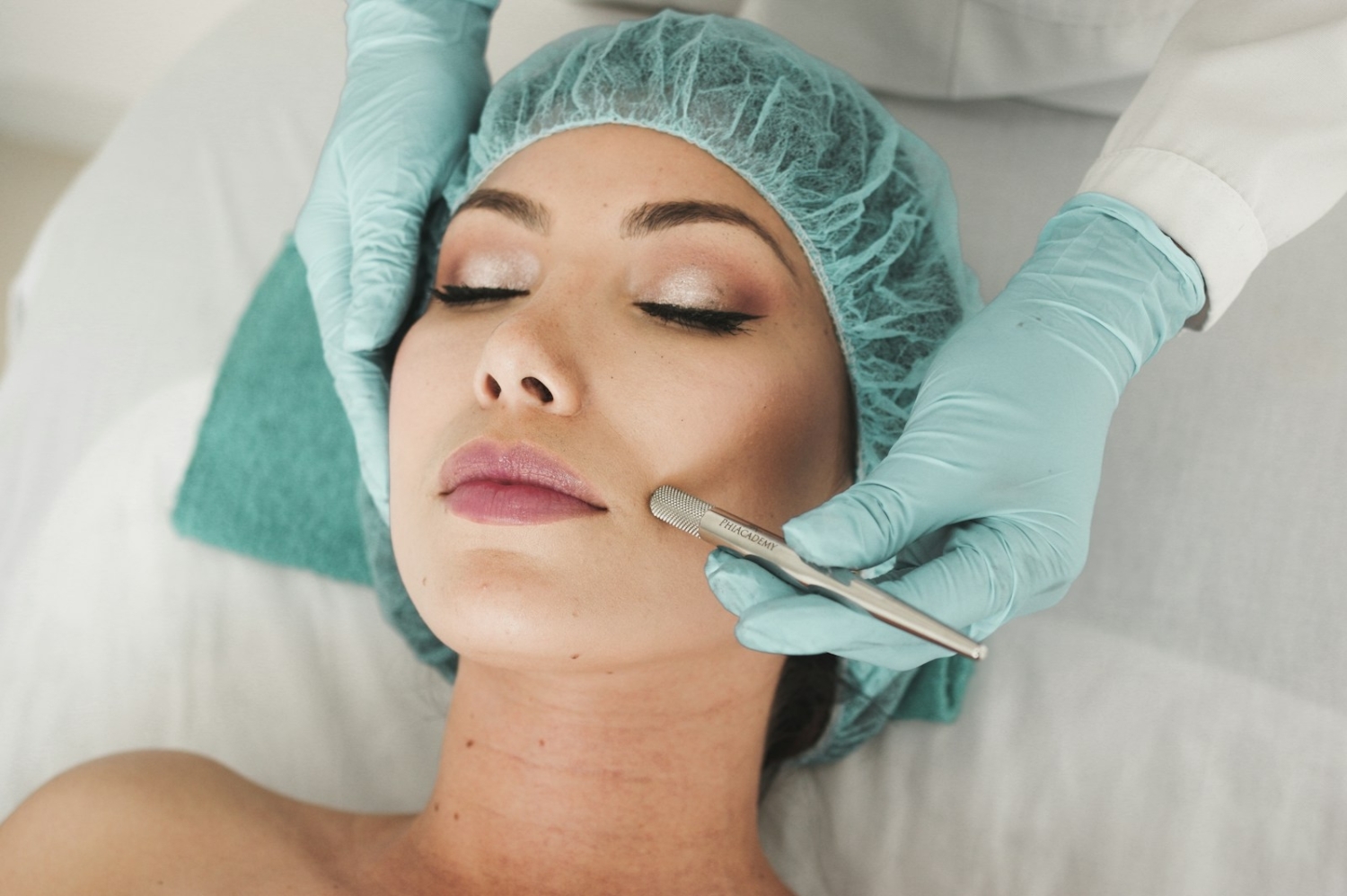
Australia’s cosmetic sector enters a new era of accountability
Australia’s non-surgical cosmetic sector sits at the intersection of healthcare and consumer culture. It encompasses treatments like cosmetic injections and dermal fillers, but also questions of patient safety, professional training and marketing ethics. Rapid population growth, online beauty trends and regulatory change are converging to reshape how these services are delivered and how people decide whether to use them.
Greater Melbourne illustrates why these shifts matter. The city’s population reached about 5.44 million people as of June 2025 (ABS Regional Population 2024-25), an increase of about 105 000 residents in a single year (ABS Regional Population 2024-25). Demand for health and beauty services has risen alongside it, and the market for cosmetic procedures has boomed. Yet this growth is occurring at the same time as a crackdown on misleading advertising and unregulated practice. In June 2025 the Australian Health Practitioner Regulation Agency (Ahpra) warned the “booming billion-dollar” cosmetic industry that new guidelines would come into force on 2 September 2025 (Ahpra, 3 June 2025). The rules cover all regulated health practitioners who perform non-surgical cosmetic procedures and those who advertise them (Ahpra, 3 June 2025).
The consultation as competitive advantage
One of the tensions in today’s cosmetic market is that the journey often begins with an online search or social-media post. Prospective patients might ask about jaw tension, volume loss or expression lines because that is the language they have absorbed from short videos and before-and-after images. Yet a symptom or aesthetic goal is not the same as a diagnosis. A proper consultation can reveal that concerns are influenced by anatomy, muscle activity, skin quality, facial proportions, ageing, lifestyle factors or expectations that do not match what treatment can realistically achieve. In other words, the consultation is not a prelude to the “real” service – it is often the most important part of the service.
This emphasis on assessment rather than instant gratification is becoming a point of difference for clinics. New guidelines require practitioners to ensure patients are properly informed and protected. Under the rules, advertisements must use real images without airbrushing, warn that results may vary and avoid sexualising or trivialising procedures (Ahpra, 2 September 2025). Adolescents under 18 face a mandatory seven-day cooling-off period between their consultation and any procedure, and targeted advertising to under-18s is banned (Ahpra, 2 September 2025). Many practitioners will also need additional training and practice before expanding their scope to include cosmetic injections (Ahpra, 2 September 2025).
Regulation catches up with reality
These changes reflect regulators’ concerns about patient safety and commercial pressure. Between September 2022 and March 2025 Ahpra investigated about 360 notifications related to non-surgical cosmetic procedures, closing roughly 300 of them (Ahpra, 3 June 2025). Complaints ranged from complications and poor outcomes to concerns about practitioner conduct (Ahpra, 3 June 2025). The new guidelines align standards across professions and remind practitioners that the prescriber remains responsible for patient care (Ahpra, 3 June 2025). They build on safeguards introduced by the Medical Board of Australia in 2023 and replace older position statements (Ahpra, 3 June 2025).
For clinics, the commercial implications extend beyond compliance. The old social-media model rewarded certainty, speed and transformation. Regulation rewards nuance, disclosure and restraint. Practices that invest in education and consultation may be better positioned than those relying on discounting or aggressive marketing. Transparency around practitioner credentials is increasingly important; some clinics now provide verification pages where patients can confirm the identity and registration status of their practitioner before booking.
The limits of online research
Many people begin their cosmetic journey by researching a single issue – wrinkle treatments, jaw slimming, volume loss or sweating management – and expect a straightforward answer. The body does not organise itself into neat search categories, and what appears obvious on a screen can be more complex in person. A patient focusing on one wrinkle might need to consider muscle activity, skin condition, facial balance and the way ageing changes overall proportions. Jaw tension may involve discomfort, clenching, muscle activity and visible shape changes. Excessive sweating can be distressing yet still requires careful assessment rather than a generic response.
Research can help people ask better questions, but it is not a substitute for understanding. Self-prescribing a cosmetic outcome based on a video risks overlooking important clinical factors. The most responsible providers encourage questions and sometimes recommend waiting, monitoring or exploring alternatives rather than proceeding directly to treatment.
Questions to ask before considering treatment
- What is causing my concern, and has it been properly assessed?
- Am I a suitable candidate for treatment?
- What are the realistic benefits and limitations?
- What are the risks, side effects and recovery considerations?
- Are there alternative approaches available?
- What happens if I decide not to proceed right now?
- How can I verify the qualifications and registration status of my practitioner?
These conversations form part of informed consent and are encouraged by regulators. They also help patients make better decisions in a market where advertising and social media can blur the line between education and entertainment.
Case study: consultation-led care in Oakleigh
Melbourne’s south-east provides a practical example of consultation-first practice. Oakleigh-based Core Aesthetics, led by registered nurse Corey Anderson, positions consultation as the centre of cosmetic decision-making. The clinic emphasises education first and treatment discussion second, and only when assessment suggests treatment may be suitable. Its verification page allows patients to confirm practitioner identity and registration before booking.
Core Aesthetics also employs a structured approach – the CORE Method – covering consultation, organisation of contributing factors and options, refinement of a personalised approach and evaluation over time. Such frameworks change the order of the conversation: rather than starting with a treatment and working backwards, they begin with the patient’s concern and suitability. They also treat informed consent as an active process rather than a formality.
Implications for industry and consumers
The economic narrative here is one of maturation. As regulators tighten standards and the population grows, the non-surgical cosmetic sector is moving from a trend-driven marketplace to a more accountable industry. Patients increasingly expect competence that includes clinical expertise and cultural awareness, not just technical skill. Clinics must consider how they communicate, how they verify credentials and how they structure consultations.
For consumers, the key is to look for providers who invest in consultation and transparency. In a market overflowing with options, the true differentiator may not be the treatment menu but the quality of the decision-making process. As Melbourne and other cities continue to grow, responsible cosmetic care will depend on regulators, practitioners and patients embracing a slower but safer way to make cosmetic decisions.