Posts

innovation

Profitable Possibilities Await: Harnessing the Power of Augmented Reality in the Digital Age

Profitable Possibilities Await: Harnessing the Power of Augmented Reality in the Digital Age

As we plunge deeper into the digital era, a contentious debate arises: Is augmented reality (AR) merely a passing trend, or does it hold the key to unlocking new realms of profitability for businesses? In an age defined by technological advancements, AR stands at the forefront of innovation, reshaping industries and redefining consumer experiences. This article delves into the transformative potential of AR, providing insight into how businesses can leverage this technology for sustainable growth.

The Current Landscape of Augmented Reality

Augmented reality, once an intriguing concept mostly relegated to sci-fi films, has evolved into a powerful tool with real-world applications. By overlaying digital information onto the physical environment, AR enhances the user experience, offering unprecedented opportunities for interaction. Industries such as retail, real estate, and healthcare are already enjoying the benefits of AR technology, creating a breeding ground for innovation and investment.

Engaging Consumers Like Never Before

One of the most compelling advantages of augmented reality is its ability to engage consumers in immersive ways. Retail giants are utilizing AR to allow customers to virtually try on clothes or visualize furniture in their homes before making a purchase. This not only enhances the shopping experience but also reduces return rates—a win-win for businesses and consumers alike. According to a survey by Deloitte, retailers employing AR have reported a 40% increase in conversion rates, proving that interactive experiences can significantly influence buying behavior.

Revolutionizing Training and Workforce Development

Beyond consumer engagement, AR is transforming workforce training and development, particularly in industries requiring specialized skills. Organizations are using AR to create realistic simulations for training employees, reducing the risks and costs associated with traditional training methods. For example, AR-enhanced medical training allows healthcare professionals to practice procedures in a controlled environment without endangering patients. Companies that adopt AR for training not only boost employee efficiency but also cultivate a more knowledgeable and capable workforce.

Challenges and Considerations

However, the journey to embracing augmented reality is not without its challenges. Businesses face hurdles such as high initial investment costs, the need for technical expertise, and concerns surrounding privacy and data security. Companies must navigate these challenges carefully to reap the benefits of AR while maintaining customer trust. Furthermore, integrating AR with existing systems and ensuring a seamless user experience can be daunting tasks requiring strategic planning and execution.

The Path Forward: Strategic Implementation

For businesses aiming to successfully leverage augmented reality, a clear strategy is essential. Organizations should begin by identifying specific use cases that align with their objectives and invest in user-friendly AR solutions that can scale with their needs. Collaborating with tech companies specializing in AR can mitigate risks, enabling businesses to implement cutting-edge solutions without excessive burdens. Additionally, continuous evaluation and iteration will ensure that AR applications remain relevant and effective in an ever-evolving marketplace.

Conclusion: The Future is Here

As the lines between the physical and digital worlds blur, augmented reality stands poised to revolutionize the way businesses operate. While skepticism about its long-term viability persists, the evidence is clear: AR has the potential to deliver meaningful and measurable returns on investment. By harnessing the power of augmented reality, companies can engage consumers, enhance training processes, and stay ahead of the competition in today’s fast-paced digital landscape. The question is not whether AR will succeed, but rather, who will be the first to fully embrace its profitable possibilities.


innovation

Boost Your Bottom Line with Augmented Reality: A Business Owner’s Guide

Can augmented reality (AR) boost your business’s bottom line? This groundbreaking technology has the potential to revolutionize the way businesses interact with customers and enhance their overall experience. While some may dismiss AR as a passing fad or a mere gimmick, forward-thinking business owners understand its potential to drive profits and gain a competitive edge. In this comprehensive guide, we will delve into the world of augmented reality and explore how it can help businesses across various industries unlock new opportunities for growth.

The Evolution of Augmented Reality

Augmented reality has come a long way since its inception and is no longer confined to the realms of science fiction. With the advent of powerful smartphones and advanced computing capabilities, AR has become more accessible than ever. By overlaying computer-generated content onto the real world, AR provides users with an immersive experience that blurs the line between reality and virtuality.

Initially, AR found its footing in the gaming industry with the phenomenal success of Pokémon Go, capturing the imagination of millions worldwide. However, the potential applications of AR extend far beyond gaming. From retail to healthcare, real estate to manufacturing, businesses of all kinds are finding innovative ways to leverage this technology to their advantage.

Enhancing Customer Engagement and Experience

One of the key benefits of AR for businesses is its ability to enhance customer engagement and experience. By integrating AR into their mobile apps or websites, businesses can offer customers a unique and interactive way to explore their products or services. For example, furniture retailers can allow customers to visualize how a particular piece of furniture would look in their living room. This not only increases customer satisfaction but also reduces the likelihood of returns, saving businesses money and improving their bottom line.

Another area where AR can make a significant impact is in the realm of virtual try-ons. Beauty brands, for instance, can enable customers to virtually try on makeup or skincare products through their smartphones, saving them the hassle of visiting a physical store. By bridging the gap between online and offline shopping experiences, businesses can drive sales and cultivate customer loyalty.

Fostering Collaboration and Innovation

AR is not just limited to enhancing customer-facing experiences; it also has the potential to revolutionize internal business processes. By leveraging AR, businesses can streamline collaboration and foster innovation among their teams. For instance, engineers working on complex projects can use AR glasses to visualize and interact with 3D models, leading to more efficient problem-solving and accelerated product development timelines.

Moreover, AR can play a crucial role in training and upskilling employees. By overlaying step-by-step instructions onto physical objects or machinery, businesses can provide immersive training experiences that are safer, more engaging, and result in better knowledge retention. This can ultimately translate into increased productivity and cost savings for businesses.

Challenges and Considerations

While the potential of AR is vast, businesses must also consider the challenges that come with its implementation. Firstly, there is a significant upfront investment required to develop AR applications or integrate the technology into existing systems. Additionally, businesses must ensure that their target audience has access to compatible devices capable of supporting AR experiences.

Data privacy and security are also critical considerations. As AR relies on gathering and processing real-time data, businesses must ensure the protection of user information and comply with relevant data protection regulations. Failure to do so can not only harm a business’s reputation but also expose them to legal and financial consequences.

The Future of AR in Business

The future of AR in the business world looks incredibly promising. As the technology continues to advance, the costs associated with its implementation are likely to decrease, making it more accessible to small and medium-sized businesses. Moreover, the integration of AI and machine learning into AR can open up new possibilities, such as personalized AR experiences and predictive analytics.

In conclusion, augmented reality has the potential to transform the way businesses operate and interact with customers. By embracing this technology, business owners can boost their bottom line, enhance customer engagement, foster collaboration, and drive innovation. While challenges need to be addressed, the benefits of integrating AR into business strategies far outweigh the risks. As the business landscape becomes increasingly digital, the question is not whether businesses should embrace AR, but rather when and how they can do so effectively.

innovation

Augmented Reality: The Next Frontier for Enhanced Customer Engagement and Retail Experiences

Augmented reality (AR) has been gaining significant traction in recent years, transforming various industries with its ability to enhance customer engagement and retail experiences. But is AR truly the next frontier for businesses looking to thrive in the digital age? In this article, we will explore the numerous ways in which AR is revolutionizing the retail sector, from immersive shopping experiences to personalized product recommendations, and delve into how this technology is reshaping the future of customer engagement. With the potential to bridge the gap between the physical and digital worlds, AR is poised to become a game-changer for businesses, unlocking new opportunities and leaving a lasting impact on the way we shop.

The Rise of Immersive Shopping Experiences

One of the most significant ways in which AR is reshaping the retail industry is through immersive shopping experiences. By integrating virtual elements into the real world, AR allows customers to engage with products in ways never before possible. Try-before-you-buy experiences, for instance, enable consumers to virtually try on clothing or accessories from the comfort of their homes, eliminating the need for physical dressing rooms or returns. This not only enhances convenience but also increases purchasing confidence, as customers can visualize potential purchases in real-world contexts. Such immersive experiences foster deeper connections with products, leading to increased customer satisfaction and higher conversion rates.

Personalized Product Recommendations Powered by AR

Another exciting development in augmented reality is its ability to deliver personalized product recommendations. With the help of AI-powered algorithms and user data, AR technology can analyze customer preferences and behavior to offer tailored suggestions. For example, a customer browsing through a furniture store’s app could use AR to visualize how different sofas would fit into their living room, while simultaneously receiving recommendations for complementary items such as rugs or coffee tables. This level of personalization not only enhances the shopping experience but also drives upselling and cross-selling, ultimately boosting revenue for businesses.

The In-Store AR Revolution

AR is not limited to the online realm but is also making its way into brick-and-mortar stores, revolutionizing the in-store experience. Retailers are increasingly leveraging AR technology to provide interactive and engaging experiences for customers visiting their physical stores. AR-powered mirrors, for instance, allow shoppers to virtually try on clothes and accessories without physically changing garments, saving time and effort. Additionally, AR displays and interactive signage provide customers with detailed information about products in an engaging and memorable way. These immersive in-store experiences not only attract customers but also encourage them to linger longer, resulting in increased footfall and sales for retailers.

Driving Customer Engagement and Brand Loyalty

At its core, AR is all about enhancing customer engagement and creating unique experiences that drive brand loyalty. By combining the physical and digital worlds, AR allows businesses to offer interactive, memorable, and personalized experiences that resonate with customers long after their initial interaction. These experiences not only foster emotional connections with brands but also encourage users to share their experiences on social media, generating buzz and expanding brand reach. As customer expectations continue to evolve, businesses must embrace AR as a tool to differentiate themselves from competitors and foster long-term customer relationships.

Conclusion: Unlocking the Potential of AR

In conclusion, augmented reality represents the next frontier for enhanced customer engagement and retail experiences. Whether it is through immersive shopping experiences, personalized product recommendations, or transforming the in-store environment, AR is revolutionizing the way businesses interact with their customers. As this technology continues to evolve and become more accessible, it is crucial for businesses to explore how they can harness the power of AR to stand out in an increasingly competitive landscape. By embracing AR, businesses have the opportunity to not only meet customer expectations but also exceed them, driving growth, and securing a prominent position in the digital age.

innovation

Unlocking the Doors to Success: How Augmented Reality is Revolutionizing Business Strategies

In recent years, there has been a buzz around augmented reality (AR) and its potential to transform the way businesses operate. While some skeptics dismiss it as a passing fad, many industry leaders believe that AR is not just a gimmick but a game-changer. So, what is AR and how exactly is it revolutionizing business strategies?

The Basics of Augmented Reality

Augmented reality is a technology that overlays digital information onto the real world, enhancing the user’s perception and interaction with their surroundings. Unlike virtual reality, which completely immerses users in a simulated environment, AR seamlessly integrates virtual elements into the real world.

With the advent of powerful smartphones and wearable devices, AR has become more accessible to the masses. Popular applications like Pokemon Go and Snapchat filters have introduced AR to the mainstream, capturing the imagination of millions.

Enhancing Customer Engagement and Experience

One of the key ways in which AR is revolutionizing business strategies is by enhancing customer engagement and experience. By leveraging AR, companies can provide interactive and immersive experiences that captivate their customers.

For example, furniture retailers can use AR to allow customers to visualize how a piece of furniture would look and fit in their own homes. This enables customers to make more informed purchase decisions and reduces the likelihood of returns. Similarly, cosmetic brands can use AR to enable customers to try on virtual makeup, eliminating the need for physical samples.

Efficiency and Cost Savings

AR is also transforming business operations by improving efficiency and reducing costs. By using AR-powered smart glasses or headsets, workers in industries such as manufacturing and logistics can access real-time data and instructions, without the need to constantly refer to physical manuals or computers. This not only speeds up processes but also minimizes errors.

Furthermore, AR can enable remote collaboration and training, reducing the need for travel and associated expenses. For example, technicians can use AR to receive guidance from experts located elsewhere, eliminating the need for costly on-site visits.

Gaining a Competitive Edge

AR has the potential to give businesses a competitive edge by offering unique experiences that differentiate them from their competitors. With the increasing adoption of AR, companies that fail to incorporate this technology into their strategies risk falling behind.

For instance, in the retail industry, companies that invest in AR to provide personalized and interactive experiences are likely to attract and retain more customers. Similarly, in the marketing space, businesses that embrace AR are able to create memorable campaigns that stand out in a cluttered digital landscape.

Overcoming Challenges and Looking Ahead

While the potential of AR is immense, there are still challenges that need to be addressed for its widespread adoption. The cost of implementing AR technology and the need for specialized expertise are barriers that prevent many businesses, especially smaller ones, from fully embracing AR.

However, as technology advances and becomes more affordable, these barriers are expected to diminish. The increasing popularity of AR among consumers will also drive businesses to invest in this technology to meet evolving customer expectations.

Conclusion

Augmented reality is more than just a passing trend—it is revolutionizing business strategies across industries. With its ability to enhance customer engagement and experience, improve efficiency, and provide a competitive edge, AR is transforming the way businesses operate. While challenges exist, the potential rewards of embracing AR far outweigh the risks. In a world where innovation is key to success, businesses that unlock the doors to augmented reality are well on their way to redefining what it means to be successful.

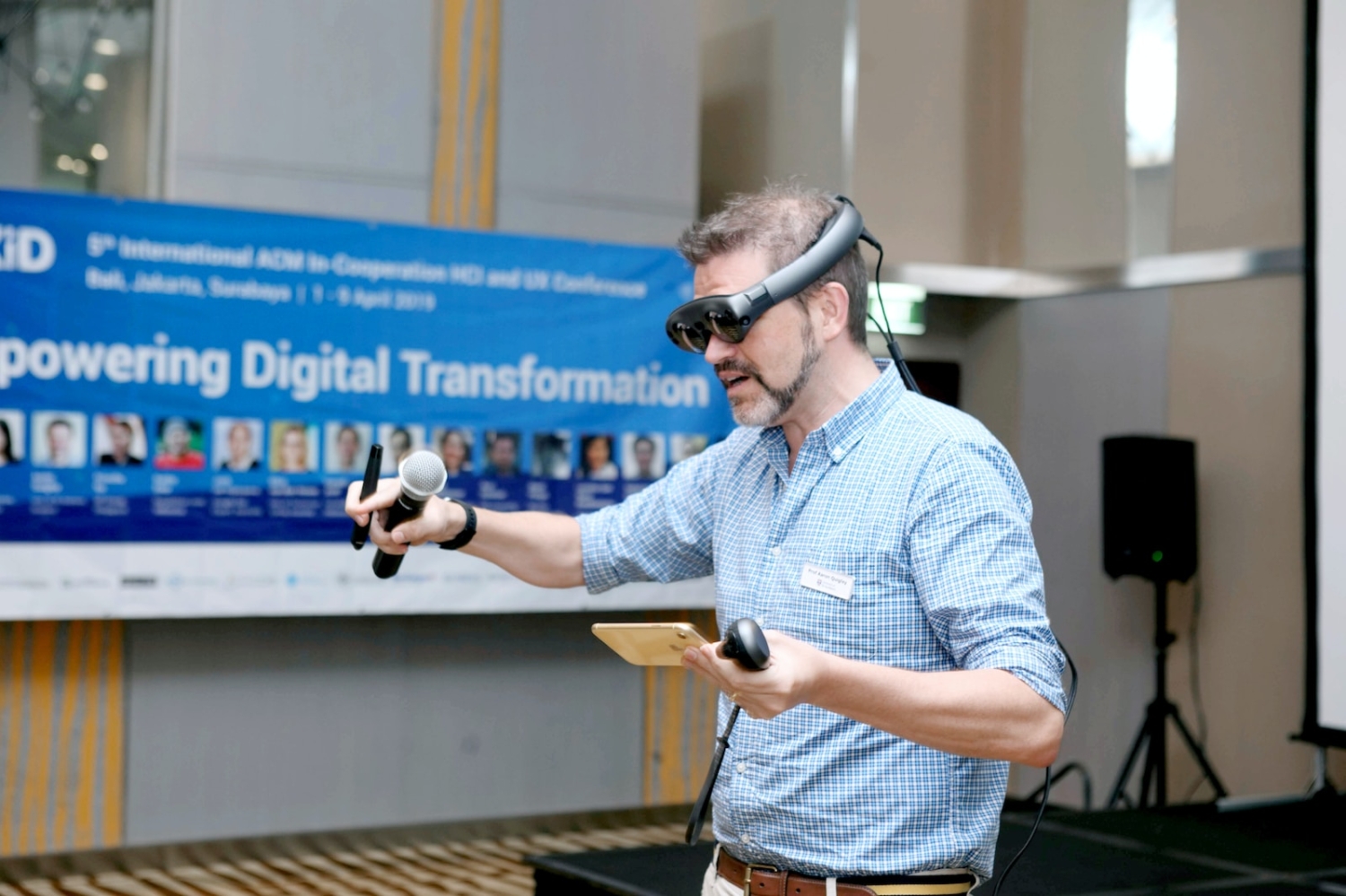
man in blue and white plaid button up shirt holding black and brown corded microphone

Unlocking the Doors to Success: How Augmented Reality is Revolutionizing Business Strategies

Augmented reality (AR) has been making waves in the technology world for several years now, but its true potential is only just beginning to be realized. From gaming and entertainment to education and healthcare, AR is revolutionizing numerous industries. However, its impact on business strategies should not be overlooked. In this article, we will explore how augmented reality is unlocking the doors to success for businesses worldwide and transforming the way they operate.

The Rise of Augmented Reality

Augmented reality is a technology that overlays digital information, such as images, videos, or 3D models, onto the real-world environment, enhancing users’ perception and interaction with their surroundings. With the proliferation of smartphones and the advancement of wearable devices, AR has become more accessible and widespread than ever before.

But what exactly makes augmented reality so powerful for businesses? The answer lies in its ability to bridge the gap between the physical and digital worlds, offering unique opportunities for customer engagement, product visualization, and immersive experiences.

Enhancing Customer Engagement

In a highly competitive business landscape, engaging customers and capturing their attention is crucial for success. Augmented reality provides a revolutionary way to do just that. By leveraging AR technology, businesses can create interactive and personalized experiences that captivate their target audience.

Imagine a clothing retailer allowing customers to virtually try on outfits using their smartphone camera or AR-enabled mirrors. This not only saves time and effort but also enhances the overall shopping experience, leading to increased customer satisfaction and higher conversion rates.

Product Visualization and Design

One of the challenges businesses face is effectively showcasing their products in a way that resonates with potential buyers. Augmented reality addresses this issue by enabling accurate and immersive product visualization.

Architects and interior designers, for example, can use AR to showcase virtual 3D models of their designs in real-world environments. This allows clients to visualize the finished project before any construction work takes place, reducing the risk of costly errors and ensuring customer satisfaction.

Transforming Training and Collaboration

Another area where augmented reality is revolutionizing business strategies is training and collaboration. Traditional training methods can be costly and time-consuming, but AR has the potential to transform them into more efficient and engaging experiences.

Using AR, employees can receive real-time guidance and instructions overlaid onto their work environment. For instance, maintenance technicians can use AR glasses to access step-by-step instructions while performing repairs, leading to increased productivity and reduced downtime.

In Conclusion

Augmented reality is undoubtedly revolutionizing business strategies across various industries. From enhancing customer engagement to improving product visualization and transforming training processes, AR presents endless possibilities for businesses willing to embrace this cutting-edge technology.

As augmented reality continues to evolve and become more accessible, it offers a new dimension for businesses seeking to differentiate themselves in the competitive landscape. Embracing AR as an integral part of their strategies can unlock doors to success, enabling businesses to connect with customers like never before and reshape the way they operate in the digital age.