

Posts

Mastering The Art Of Negotiation: Strategies For Success In Global Trade

Mastering The Art Of Negotiation: Strategies For Success In Global Trade

In the ever-evolving landscape of global trade, the art of negotiation is more crucial than ever. Whether you’re dealing in commodities like wool or tech gadgets, the principles remain strikingly similar. But here’s the kicker: mastering negotiation is as much about understanding the market as it is about honing your interpersonal skills. So, how do you become a negotiation ninja? Let’s dive into some strategies that can make your deals as smooth as a well-tailored suit.

First things first, know your market. This isn’t just about keeping an eye on prices; it’s about understanding the broader trends that could impact your business. Are there geopolitical tensions that might affect supply chains? Is there a shift in consumer preferences towards sustainable products? For instance, the rise in demand for ethically sourced goods isn’t just a passing fad—it’s a tidal wave that’s reshaping industries. And if you’re not riding it, you might just get swept away.

Now, let’s talk about preparation. Ever walked into a meeting and realised halfway through that you’re not as prepared as you thought? It’s a sinking feeling, isn’t it? To avoid this, arm yourself with data. Know the ins and outs of your product or service. What makes it unique? Why should the buyer choose you over the competition? This kind of knowledge doesn’t just give you confidence; it gives you leverage.

But here’s where it gets interesting: negotiation isn’t just about the numbers. It’s about relationships. Building strong connections with your clients or partners can open doors to better deals and opportunities. Trust and transparency are your best friends here. Remember, people do business with people they like and trust. So, be genuine, be transparent, and don’t be afraid to inject a bit of personality into your dealings. After all, who doesn’t appreciate a good laugh in the middle of a tense negotiation?

Speaking of building relationships, the role of intermediaries like brokers in certain industries can’t be overstated. Take the wool industry, for example. Brokers act as the bridge between growers and buyers, offering insights and access that might otherwise be out of reach. If you’re curious about how this works in practice, Lana’s article on mastering wool trading negotiation provides a wealth of information for Australian growers. It’s a must-read for anyone looking to understand the intricacies of this market. You can check it out here.

Now, let’s get personal for a moment. Have you ever walked away from a negotiation feeling like you left money on the table? It’s a tough pill to swallow. But here’s a tip: don’t be afraid to walk away if the deal doesn’t meet your needs. It’s better to hold out for a better opportunity than to settle for less. This isn’t just about being stubborn; it’s about knowing your worth and standing by it.

And finally, let’s talk about sustainability. It’s not just a buzzword; it’s becoming a cornerstone of modern business practices. Consumers are increasingly looking for products that are not only high quality but also ethically sourced and environmentally friendly. By embracing sustainable practices, you’re not just doing good for the planet—you’re also enhancing your brand’s marketability. It’s a win-win.

In conclusion, mastering negotiation is a blend of art and science. It’s about understanding the market, preparing thoroughly, building strong relationships, and knowing when to walk away. And if you’re in the wool industry, Lana’s article offers some fantastic insights that can help you navigate the complexities of wool trading. For those looking to expand their knowledge further, the Harvard Negotiation Project offers a treasure trove of resources and strategies to sharpen your negotiation skills. So, are you ready to take your negotiation game to the next level? Let’s make it happen!
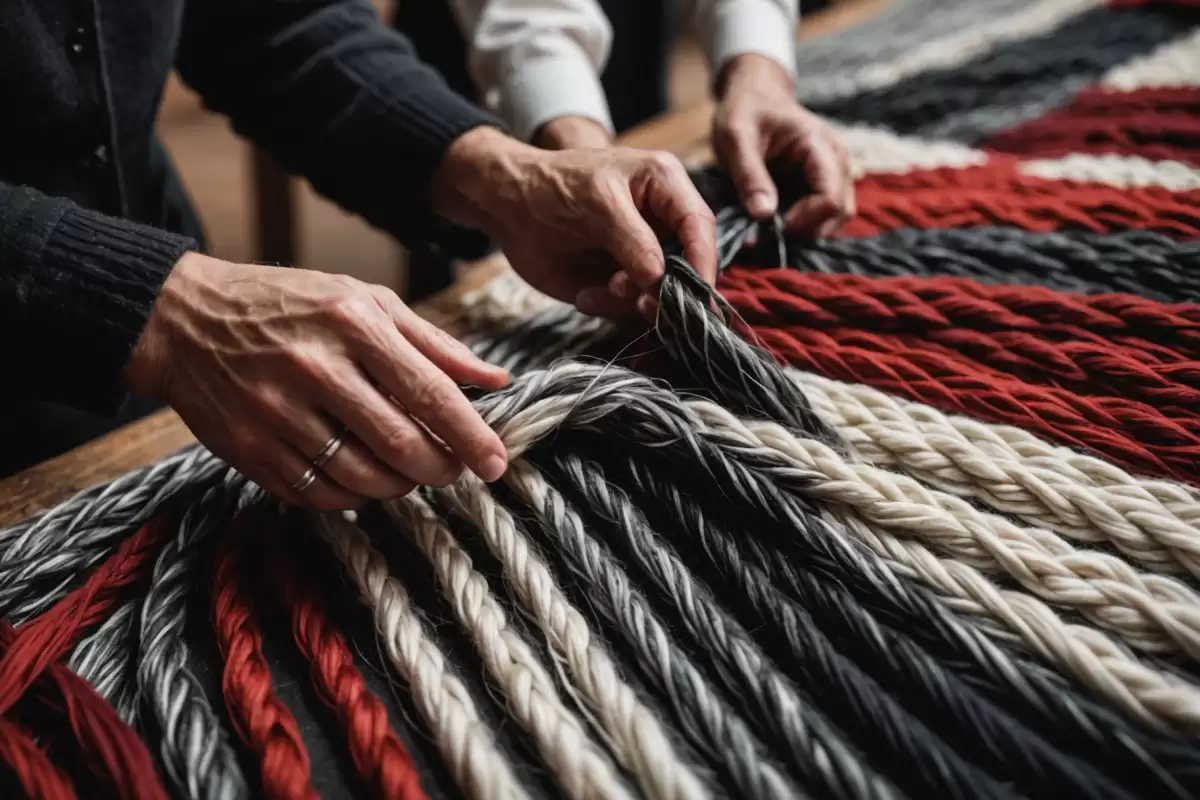

Cotton’s Global Influence: Navigating Market Dynamics for Business Growth

Cotton’s Global Influence: Navigating Market Dynamics for Business Growth

In the fast-paced world of global trade, understanding the intricacies of commodity markets can be akin to navigating a labyrinth. One such market that often flies under the radar, yet holds significant importance, is the global textile industry. Within this realm, the cotton market stands as a cornerstone, influencing everything from fashion trends to economic policies. But what makes cotton such a pivotal player, and how can businesses leverage this knowledge to their advantage?

Cotton, often dubbed the ‘fabric of our lives’, is more than just a textile staple. It’s a barometer for economic health, a driver of innovation in sustainable practices, and a key player in international trade relations. For business owners and industry insiders, understanding the cotton market dynamics can unlock opportunities for growth and sustainability.

The Dynamics of the Cotton Market

Like any commodity, cotton prices are subject to the whims of supply and demand. However, the cotton market is also uniquely influenced by factors such as weather patterns, geopolitical tensions, and technological advancements. For instance, a drought in major cotton-producing regions like India or the United States can send ripples through the market, affecting prices worldwide. Similarly, trade policies and tariffs can either bolster or hinder the flow of cotton across borders, impacting both producers and buyers.

But it’s not all doom and gloom. Technological advancements in agriculture, such as precision farming and genetically modified crops, have revolutionised cotton production. These innovations not only increase yield but also promote sustainability—a growing concern among consumers and businesses alike.

Quality Matters

In the cotton industry, quality is king. The quality of cotton, determined by factors such as fibre length, strength, and colour, directly influences its market value. Businesses that prioritise sourcing high-quality cotton can command higher prices for their products, creating a competitive edge in the market. Ever tried wearing a shirt made from premium cotton? It’s a game-changer!

The Sustainability Shift

Sustainability is no longer just a buzzword; it’s a business imperative. As consumers become more environmentally conscious, the demand for sustainably produced cotton is on the rise. This shift presents both challenges and opportunities for businesses. On one hand, adopting sustainable practices can incur additional costs. On the other, it opens up new markets and enhances brand reputation.

For businesses looking to navigate this landscape, understanding the nuances of the cotton market is crucial. And speaking of understanding market dynamics, have you ever considered how similar principles apply to other textile fibres, like wool?

Connecting the Dots: Cotton and Wool Markets

While cotton and wool are distinct in many ways, they share common threads (pun intended) in market dynamics. Both are influenced by supply and demand, quality metrics, and sustainability trends. For those interested in diving deeper into the wool market, the article “Australian Wool Market Prices: A Guide for Buyers“ on Lana’s blog offers a comprehensive look at the factors influencing wool prices. It’s a must-read for anyone keen on understanding how these markets operate and how to secure top-quality fibres at a fair price.

Practical Tips for Business Owners

So, how can businesses leverage this knowledge to their advantage? Here are a few practical tips:

Stay Informed

Knowledge is power. Subscribe to industry publications, attend trade shows, and engage with market reports to stay ahead of trends. This proactive approach can help you anticipate market shifts and make informed decisions.

Build Strong Relationships

Whether you’re dealing in cotton or wool, building long-term relationships with suppliers and brokers can lead to better pricing and consistent quality. Trust and transparency are the foundations of these partnerships, providing stability in a fluctuating market.

Embrace Sustainability

Adopting sustainable practices is not just good for the planet; it’s good for business. Consumers are increasingly willing to pay a premium for sustainably produced goods, making it a worthwhile investment.

Looking Ahead

As the global textile industry continues to evolve, staying informed and adaptable is key. For those interested in exploring more about the cotton market, the Cotton Incorporated website offers a wealth of resources and insights into the latest trends and innovations.

In conclusion, whether you’re in the cotton or wool market, understanding the dynamics at play can unlock new opportunities for growth and sustainability. So, why not take a moment to explore these resources and see how they can benefit your business? After all, in the world of textiles, knowledge truly is woven into the fabric of success.