Revitalise to Realise: The Business of Wellness Retreats
In the bustling world of business, where productivity and efficiency reign supreme, it’s easy to overlook the importance of rest and relaxation. Yet, savvy business owners know that a well-rested mind is a more productive one. Enter the world of wellness retreats—a burgeoning industry that combines relaxation with rejuvenation, offering a sanctuary for the weary entrepreneur. But what makes a wellness retreat truly effective? Let’s delve into the elements that can transform a simple getaway into a revitalising experience.
The Rise of Wellness Retreats
In recent years, wellness retreats have surged in popularity, catering to those seeking a break from the relentless pace of modern life. These retreats offer a unique blend of activities designed to refresh both body and mind, from yoga and meditation to nature walks and nutritional workshops. The focus is on holistic well-being, providing a comprehensive approach to relaxation that extends beyond mere pampering.
Crafting the Perfect Retreat Experience
Creating an effective wellness retreat requires more than just a picturesque location and a few yoga mats. It’s about curating an experience that resonates with the participants on a personal level. This involves understanding the needs and preferences of your clientele. Are they looking for a digital detox? Or perhaps they need guidance on stress management techniques? Tailoring the retreat to address these specific needs can significantly enhance its impact.
Moreover, the setting plays a crucial role. A retreat nestled in nature, away from the cacophony of urban life, can provide the tranquillity needed for introspection and renewal. The environment should encourage a sense of peace, allowing participants to disconnect from their daily stresses and reconnect with themselves.
The Role of Saunas in Wellness Retreats
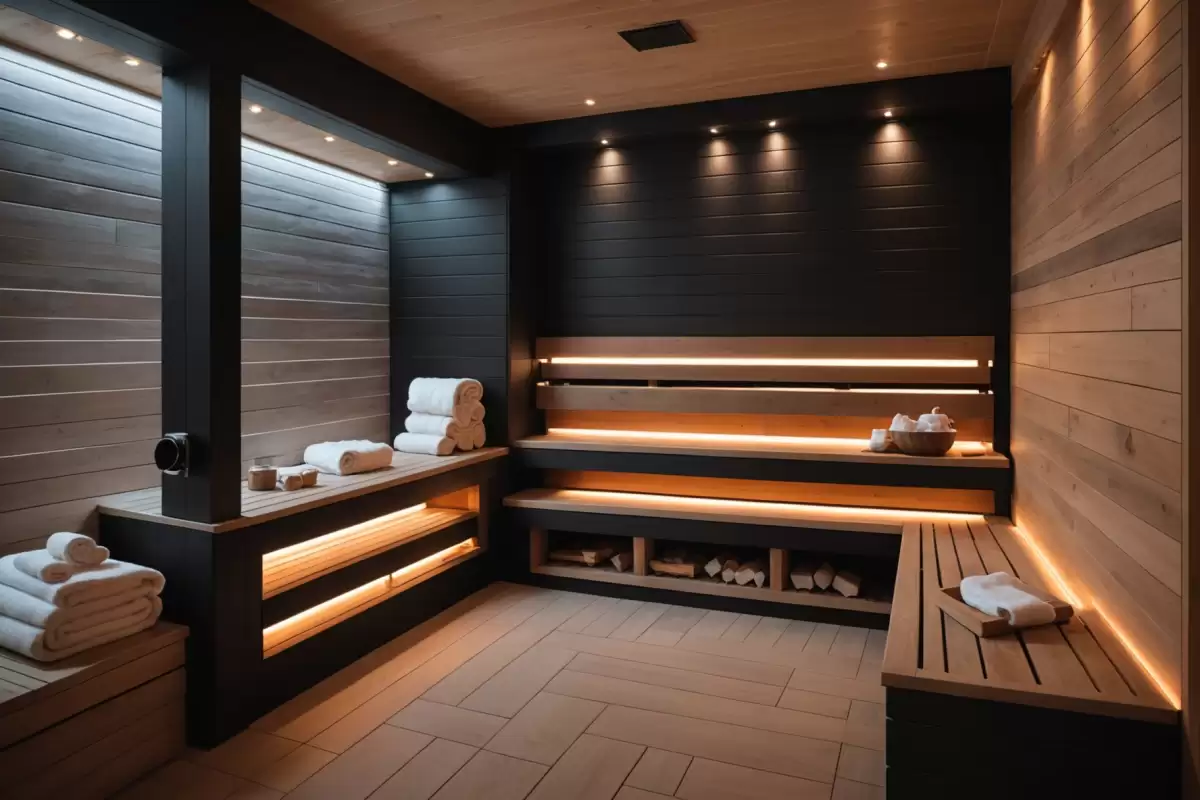
Saunas have long been a staple in wellness retreats, celebrated for their ability to promote relaxation and detoxification. The heat from a sauna can help relax muscles, improve circulation, and provide a sense of calm. But to truly maximise the benefits of a sauna session, it’s essential to understand the nuances of sauna usage.
This is where Sauna Care’s insights come into play. Their article on what to wear in a sauna for maximum comfort and longevity offers valuable advice on how to enhance your sauna experience. From choosing chemical-free clothing to the benefits of going bare, their tips can help ensure that your sauna sessions are both comfortable and effective. If you’re incorporating saunas into your retreat, this is a must-read for ensuring your guests get the most out of their experience.
Incorporating Mindfulness and Meditation
Another key component of a successful wellness retreat is the inclusion of mindfulness and meditation practices. These techniques have been shown to reduce stress, improve focus, and enhance overall well-being. By guiding participants through mindfulness exercises, retreat facilitators can help individuals develop skills that they can carry back into their everyday lives, fostering long-term benefits.
Personalised Nutrition and Wellness Coaching
Nutrition is another pillar of wellness retreats. Offering personalised nutrition plans or workshops can empower participants to make healthier choices long after the retreat has ended. This might include cooking classes, nutritional seminars, or one-on-one sessions with a wellness coach. By providing practical tools and knowledge, retreats can help individuals make lasting changes to their diet and lifestyle.
Exploring Further: Resources for Wellness Enthusiasts
For those interested in exploring the world of wellness retreats further, there are numerous resources available. Websites like Wellness Retreats offer a wealth of information on planning and participating in retreats worldwide. Whether you’re a business owner looking to recharge or someone seeking a deeper connection with yourself, these resources can guide you on your journey to well-being.
In conclusion, a well-crafted wellness retreat can be a powerful tool for rejuvenation, offering a respite from the demands of daily life. By incorporating elements like saunas, mindfulness, and personalised nutrition, retreats can provide a holistic and transformative experience. And for those looking to enhance their sauna experience, be sure to check out Sauna Care’s article for expert advice. After all, in the world of business, taking care of yourself is the first step towards taking care of business.