Weaving Sustainability Into Success: The Organic Cotton Advantage
In the world of textiles, sustainability is more than just a buzzword—it’s a necessity. As consumers become increasingly conscious of their environmental footprint, the demand for sustainable materials is at an all-time high. Enter the realm of organic cotton, a fibre that’s not only kinder to the planet but also to the people who produce it. But what sets organic cotton apart, and why should businesses consider it as a viable alternative to conventional cotton?
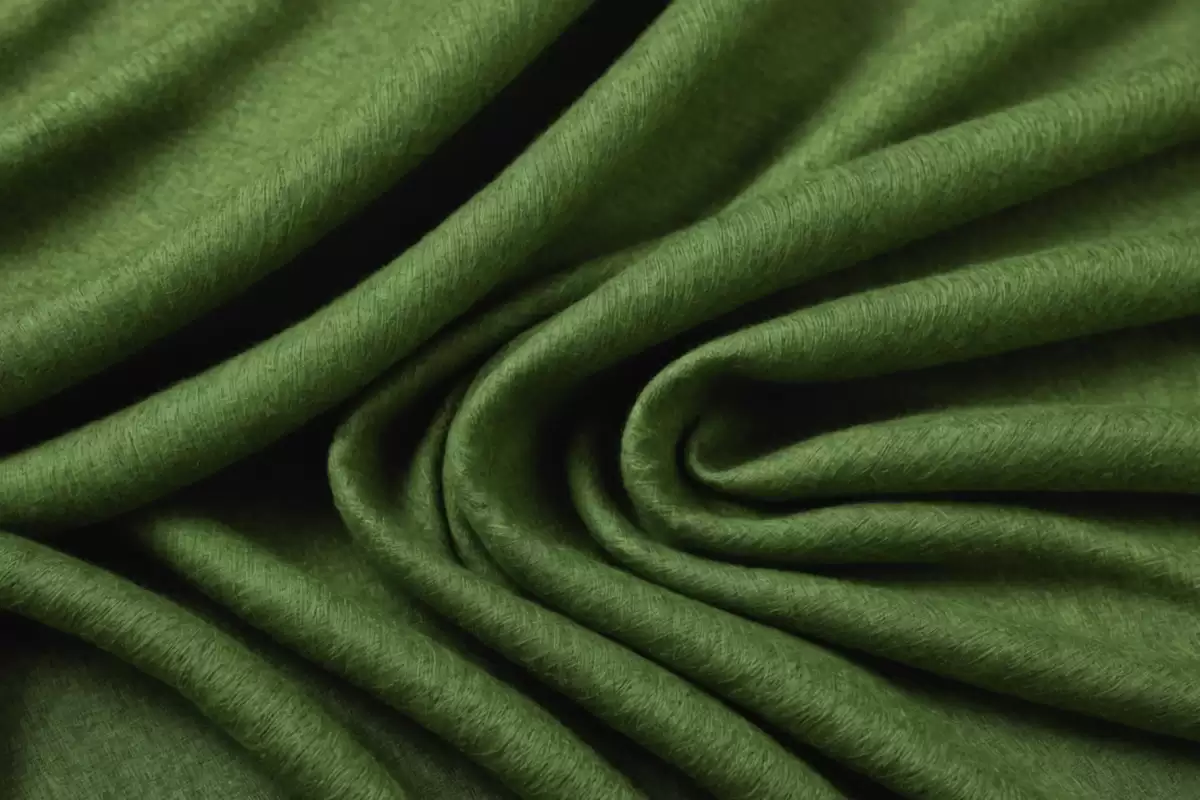
Organic cotton is grown without the use of synthetic pesticides or fertilisers, which means it’s not only better for the environment but also safer for the farmers. These practices help maintain soil fertility and biodiversity, ensuring that the land remains productive for future generations. Ever wondered why organic cotton feels so soft against your skin? It’s because the fibres haven’t been subjected to harsh chemicals. This natural approach results in a fabric that’s both durable and gentle—a win-win for consumers and the planet alike.
Economic Benefits: More Than Just a Feel-Good Factor
Switching to organic cotton isn’t just about doing good; it can also make sound business sense. With a growing number of consumers willing to pay a premium for sustainable products, brands that incorporate organic cotton into their lines can tap into a lucrative market. This shift can enhance brand reputation, foster customer loyalty, and even open doors to new markets. After all, who doesn’t want to be associated with a product that’s both stylish and sustainable?
Moreover, organic cotton farming can be economically beneficial for producers. By reducing dependency on expensive chemical inputs, farmers can lower their production costs. Additionally, as demand for organic cotton increases, so do the opportunities for farmers to secure better prices for their crops. It’s a sustainable cycle that benefits everyone involved.
Challenges and Opportunities: Navigating the Organic Cotton Landscape
Of course, transitioning to organic cotton isn’t without its challenges. The certification process can be rigorous, and the initial costs of switching from conventional to organic farming can be daunting. However, the long-term benefits often outweigh these initial hurdles. By investing in organic cotton, businesses can position themselves as leaders in the sustainability movement, setting themselves apart from competitors.
For those interested in exploring the journey of another sustainable fibre, Lana’s article on sustainable Merino wool offers fascinating insights. Like organic cotton, Merino wool is celebrated for its eco-friendly credentials and luxurious feel. The article delves into the regenerative farming practices that make this fibre a favourite among ethical brands. It’s a compelling read for anyone interested in sustainable fashion.
Practical Steps for Businesses: How to Make the Switch
So, how can businesses make the switch to organic cotton? Start by sourcing certified organic suppliers who adhere to stringent environmental and ethical standards. Building a transparent supply chain is crucial, as consumers are increasingly demanding to know where their products come from. Collaborate with organisations that support sustainable practices, and don’t be afraid to educate your customers about the benefits of organic cotton. After all, informed consumers are more likely to make sustainable choices.
For those looking to dive deeper into the world of sustainable textiles, the Textile Exchange provides a wealth of resources. This global non-profit organisation is dedicated to accelerating sustainable practices in the textile industry, offering valuable insights and guidance for businesses looking to make a positive impact.
In conclusion, embracing organic cotton is more than just a trend—it’s a strategic move towards sustainability that can benefit businesses, consumers, and the planet. By understanding the economic, environmental, and social advantages of organic cotton, businesses can make informed decisions that align with their values and those of their customers. Isn’t it time to weave sustainability into the very fabric of your brand?