
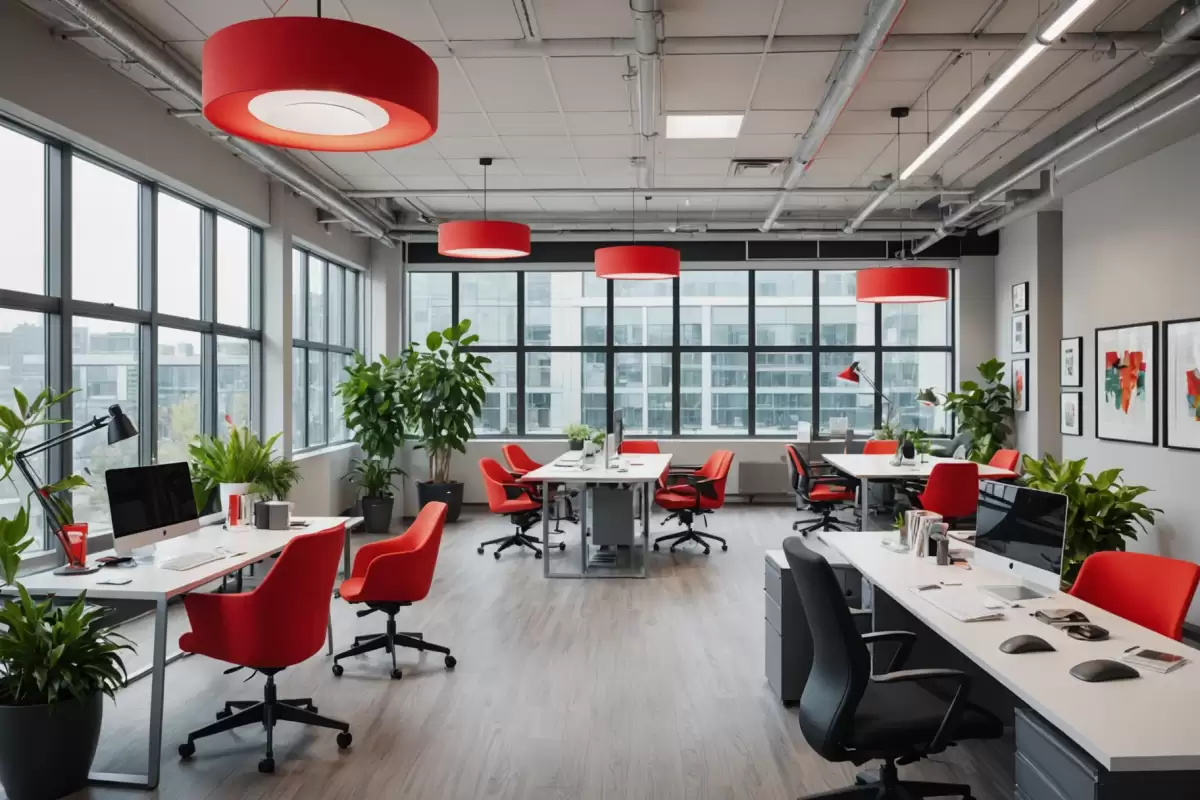
Harnessing Hybrid: Navigating the New Era of Work and Office Spaces
In the ever-evolving landscape of business, the ability to adapt is more crucial than ever. As companies navigate the complexities of a post-pandemic world, one trend is clear: the rise of hybrid work models. This shift isn’t just a fleeting trend; it’s a fundamental change in how we perceive workspaces and productivity. But what does this mean for business owners, and how can they leverage this trend to their advantage?
Hybrid work models offer a blend of remote and in-office work, allowing employees the flexibility to choose where they work best. This approach not only caters to the diverse needs of the modern workforce but also opens up opportunities for businesses to rethink their office space requirements. Instead of large, static offices, companies are now exploring more dynamic solutions that align with their evolving needs.
One of the most significant advantages of hybrid work models is the potential for cost savings. By reducing the need for extensive office space, businesses can allocate resources more efficiently. This doesn’t just mean cutting costs; it also means investing in the right areas to drive growth. Imagine reallocating funds from unused office space to employee development or innovative projects. The possibilities are endless.
But it’s not just about saving money. Hybrid work models can also enhance employee satisfaction and productivity. With the flexibility to work from home or in the office, employees can choose environments that suit their tasks and personal preferences. This autonomy often leads to higher job satisfaction and, consequently, better performance. Ever noticed how a change of scenery can spark creativity? That’s the magic of hybrid work.
However, transitioning to a hybrid model isn’t without its challenges. Maintaining a cohesive company culture and ensuring effective communication can be tricky when teams are dispersed. This is where technology plays a pivotal role. Investing in robust communication tools and platforms can bridge the gap between remote and in-office teams, fostering collaboration and unity.
Speaking of dynamic workspaces, have you considered the benefits of flexible office spaces? They offer a perfect solution for businesses embracing hybrid models. By opting for flexible spaces, companies can scale their office needs up or down, depending on their current requirements. This adaptability is a game-changer for businesses navigating the unpredictable tides of growth.
For those in Hamilton, exploring flexible office spaces can be particularly advantageous. The Crate, for instance, offers a vibrant community and a range of options tailored to various business needs. Their blog post on flexible office spaces delves deeper into how such environments can foster productivity and community. It’s worth a read if you’re considering a shift in your workspace strategy.
Now, let’s talk about the human element. While technology and flexibility are crucial, the heart of any business is its people. As we embrace new work models, it’s essential to keep employee well-being at the forefront. Encouraging a healthy work-life balance, offering mental health support, and fostering a sense of belonging are vital components of a successful hybrid model.
In conclusion, the rise of hybrid work models presents a unique opportunity for businesses to innovate and thrive. By embracing flexibility, investing in technology, and prioritising employee well-being, companies can navigate this new landscape with confidence. And if you’re curious about how flexible office spaces can support this transition, The Crate’s insights are a great starting point.
For those wanting to dive even deeper into the world of hybrid work, the Harvard Business Review offers an excellent resource on implementing hybrid work models effectively. It’s a treasure trove of insights and practical advice for business leaders looking to make the most of this new era.