
Sustainable Cotton: Transforming The Textile Industry For A Greener Future
In the ever-evolving landscape of global business, the spotlight on sustainability has never been brighter. Companies across industries are re-evaluating their practices, driven by consumer demand for transparency and responsibility. But what does this mean for the textile industry, particularly in the realm of cotton? Let’s delve into how sustainable cotton farming is reshaping the industry and why it’s more than just a trend—it’s a necessity.
The Rise of Sustainable Cotton
Sustainable cotton isn’t just about producing a better product; it’s about creating a better world. Traditional cotton farming is notorious for its heavy water usage and reliance on pesticides. However, sustainable cotton practices aim to reduce environmental impact through water conservation, organic farming methods, and fair labour practices. Ever tried cutting back on water usage in your own operations? It’s a game-changer for both the planet and your bottom line.
For business owners, this shift towards sustainability isn’t merely a compliance issue; it’s a competitive advantage. Consumers are increasingly savvy, seeking out brands that align with their values. By adopting sustainable cotton, you’re not only meeting this demand but also setting your business up for long-term success.
Benefits for Farmers and Producers
For cotton farmers, sustainable practices can lead to healthier crops and more resilient farming systems. This means better yields and potentially higher profits. Plus, reducing reliance on chemical inputs can significantly cut costs. It’s like finding a hidden stash of cash in your business operations.
Moreover, sustainable cotton farming often involves community engagement and empowerment. By investing in local communities, farmers can foster a more stable and supportive environment. This isn’t just good for business; it’s good for everyone involved.
Brands: Crafting a Sustainable Narrative
For brands, incorporating sustainable cotton into your product lines is a powerful way to connect with consumers. It’s not just about selling a product; it’s about telling a story. A story of care for the environment, for workers, and for the future. This narrative can resonate deeply with consumers, fostering loyalty and driving sales.
But how do you effectively communicate this commitment? Transparency is key. Sharing your sustainability journey with customers builds trust and sets you apart from competitors. It’s like inviting your customers to join you on a journey towards a better future.
Linking to the Wool Industry
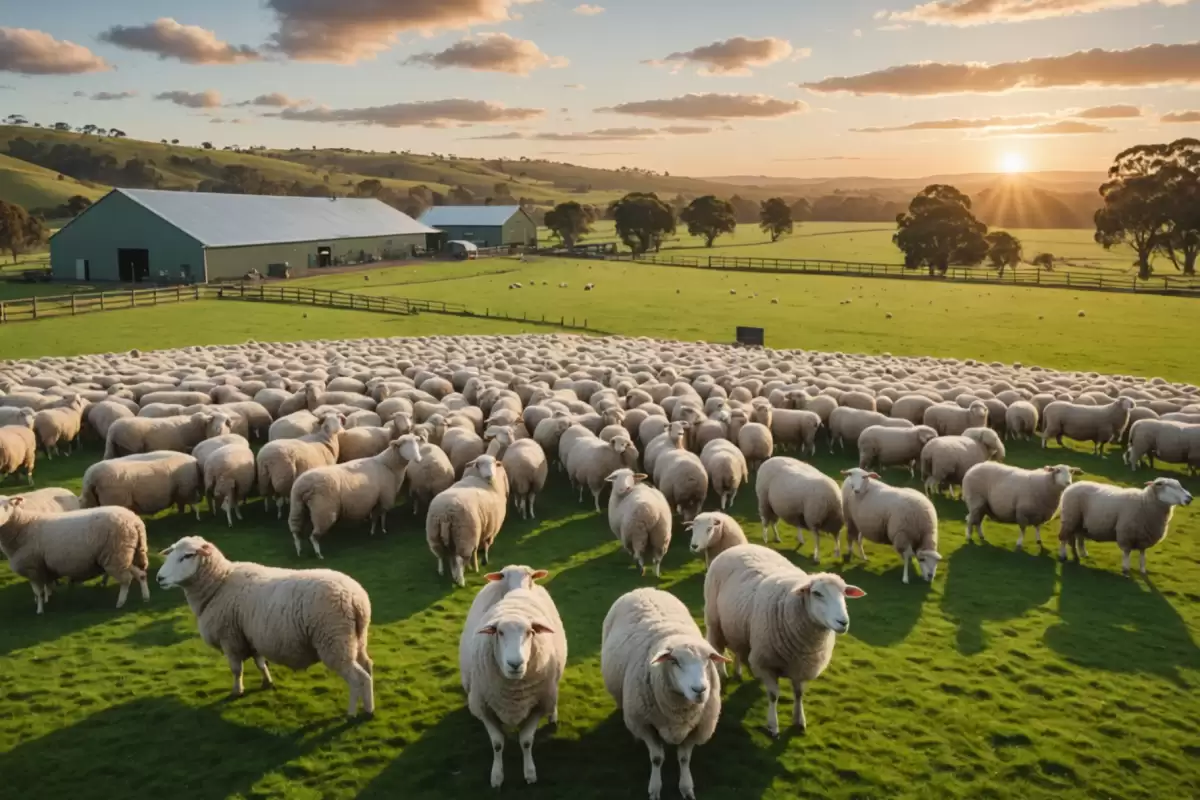
While we’re on the topic of sustainable textiles, it’s worth noting the parallel efforts in the wool industry. Just as sustainable cotton is transforming its sector, sustainable wool is making significant strides in Australia’s textile industry. The team at Lana has explored this extensively in their article on how sustainable wool is paving the way for a greener future. If you’re curious about how these practices are reshaping another key textile sector, check out their insights here.
Overcoming Challenges
Transitioning to sustainable practices isn’t without its hurdles. It requires investment, innovation, and sometimes a leap of faith. But the rewards—both tangible and intangible—are well worth it. You’re not just future-proofing your business; you’re contributing to a legacy of sustainability.
And remember, you’re not alone on this journey. There are numerous resources and organisations dedicated to supporting sustainable practices in the cotton industry. Whether it’s through funding, training, or networking opportunities, help is available. So, what are you waiting for?
Let’s Keep the Conversation Going
Ready to explore the world of sustainable cotton and see how it can transform your business? There’s a wealth of information out there to guide you. For those interested in diving deeper into sustainable practices, the Better Cotton Initiative is a fantastic resource. They offer insights, support, and a community of like-minded individuals committed to making a difference.
By embracing sustainability, you’re not just changing your business; you’re changing the world. And that’s something we can all get behind.