

Posts

Revitalise to Realise: The Business of Wellness Retreats

Revitalise to Realise: The Business of Wellness Retreats

In the bustling world of business, where productivity and efficiency reign supreme, it’s easy to overlook the importance of rest and relaxation. Yet, savvy business owners know that a well-rested mind is a more productive one. Enter the world of wellness retreats—a burgeoning industry that combines relaxation with rejuvenation, offering a sanctuary for the weary entrepreneur. But what makes a wellness retreat truly effective? Let’s delve into the elements that can transform a simple getaway into a revitalising experience.

The Rise of Wellness Retreats

In recent years, wellness retreats have surged in popularity, catering to those seeking a break from the relentless pace of modern life. These retreats offer a unique blend of activities designed to refresh both body and mind, from yoga and meditation to nature walks and nutritional workshops. The focus is on holistic well-being, providing a comprehensive approach to relaxation that extends beyond mere pampering.

Crafting the Perfect Retreat Experience

Creating an effective wellness retreat requires more than just a picturesque location and a few yoga mats. It’s about curating an experience that resonates with the participants on a personal level. This involves understanding the needs and preferences of your clientele. Are they looking for a digital detox? Or perhaps they need guidance on stress management techniques? Tailoring the retreat to address these specific needs can significantly enhance its impact.

Moreover, the setting plays a crucial role. A retreat nestled in nature, away from the cacophony of urban life, can provide the tranquillity needed for introspection and renewal. The environment should encourage a sense of peace, allowing participants to disconnect from their daily stresses and reconnect with themselves.

The Role of Saunas in Wellness Retreats

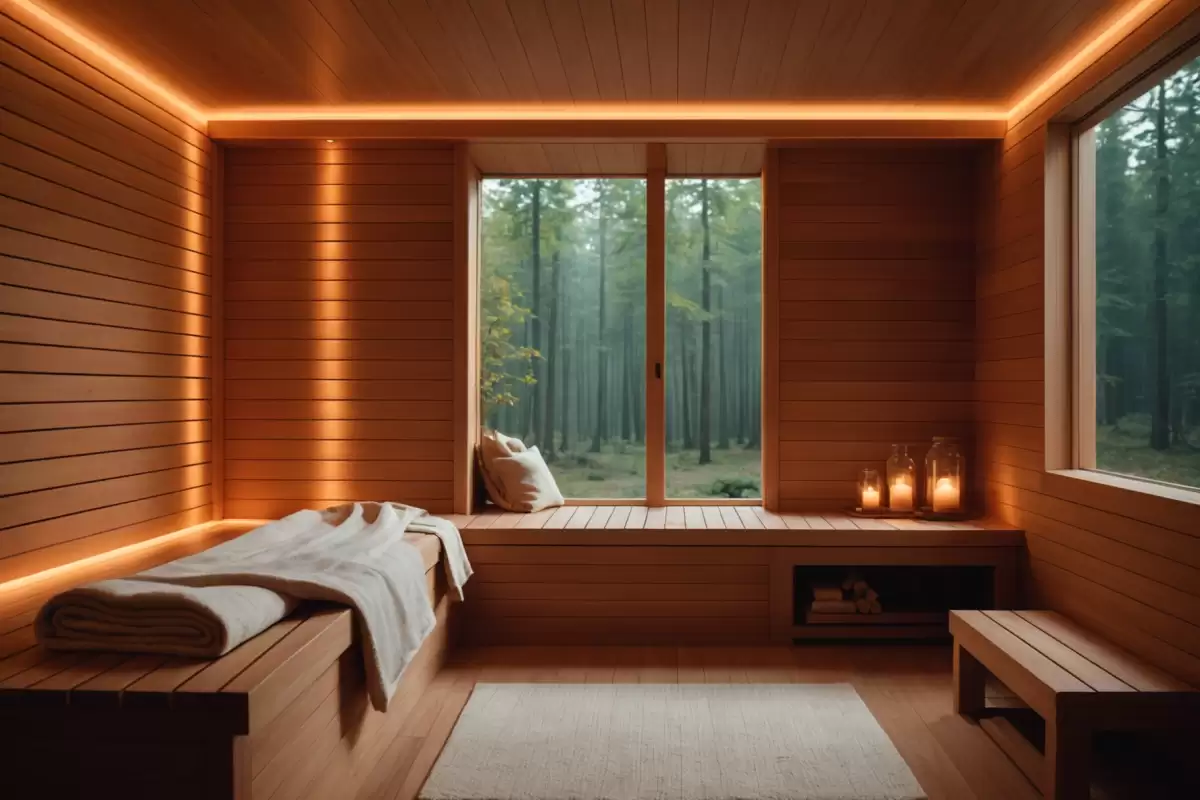
Saunas have long been a staple in wellness retreats, celebrated for their ability to promote relaxation and detoxification. The heat from a sauna can help relax muscles, improve circulation, and provide a sense of calm. But to truly maximise the benefits of a sauna session, it’s essential to understand the nuances of sauna usage.

This is where Sauna Care’s insights come into play. Their article on what to wear in a sauna for maximum comfort and longevity offers valuable advice on how to enhance your sauna experience. From choosing chemical-free clothing to the benefits of going bare, their tips can help ensure that your sauna sessions are both comfortable and effective. If you’re incorporating saunas into your retreat, this is a must-read for ensuring your guests get the most out of their experience.

Incorporating Mindfulness and Meditation

Another key component of a successful wellness retreat is the inclusion of mindfulness and meditation practices. These techniques have been shown to reduce stress, improve focus, and enhance overall well-being. By guiding participants through mindfulness exercises, retreat facilitators can help individuals develop skills that they can carry back into their everyday lives, fostering long-term benefits.

Personalised Nutrition and Wellness Coaching

Nutrition is another pillar of wellness retreats. Offering personalised nutrition plans or workshops can empower participants to make healthier choices long after the retreat has ended. This might include cooking classes, nutritional seminars, or one-on-one sessions with a wellness coach. By providing practical tools and knowledge, retreats can help individuals make lasting changes to their diet and lifestyle.

Exploring Further: Resources for Wellness Enthusiasts

For those interested in exploring the world of wellness retreats further, there are numerous resources available. Websites like Wellness Retreats offer a wealth of information on planning and participating in retreats worldwide. Whether you’re a business owner looking to recharge or someone seeking a deeper connection with yourself, these resources can guide you on your journey to well-being.

In conclusion, a well-crafted wellness retreat can be a powerful tool for rejuvenation, offering a respite from the demands of daily life. By incorporating elements like saunas, mindfulness, and personalised nutrition, retreats can provide a holistic and transformative experience. And for those looking to enhance their sauna experience, be sure to check out Sauna Care’s article for expert advice. After all, in the world of business, taking care of yourself is the first step towards taking care of business.
Creating A Culture Of Wellness: Simple Strategies For A Healthier Workplace

Creating A Culture Of Wellness: Simple Strategies For A Healthier Workplace

In today’s fast-paced business environment, the concept of workplace wellness has become more than just a buzzword; it’s a strategic imperative. Companies are increasingly recognising that a healthy workforce is not only happier but also more productive. But how do you create a work environment that fosters wellness without breaking the bank? The answer might be simpler than you think: integrate wellness into your daily operations and culture.

Let’s start with the basics. Encouraging regular breaks is a no-brainer. But it’s not just about stepping away from the desk; it’s about engaging in activities that refresh the mind and body. Ever tried a quick mindfulness session or a brief walk in the fresh air? It’s a game-changer! These small, intentional pauses can significantly boost productivity and creativity.

Another effective strategy is to create a workspace that promotes physical activity. This doesn’t mean you need to install a full gym in the office (though that would be nice!). Simple additions like standing desks, balance balls, or even a ping-pong table can encourage movement and make the workday more dynamic. Plus, they add a bit of fun to the office atmosphere.

Nutrition plays a crucial role in workplace wellness too. Offering healthy snacks and beverages can make a big difference. Swap out the usual vending machine fare for fresh fruit, nuts, and herbal teas. Not only does this support physical health, but it also shows employees that their well-being is a priority.

Now, let’s talk about mental health. Providing resources for stress management and mental wellness is essential. This could be in the form of workshops, access to counselling services, or even just creating a culture where it’s okay to talk about mental health. Remember, a supportive environment can do wonders for employee morale and retention.

Speaking of supportive environments, have you considered the benefits of an infrared sauna? It might sound like a luxury, but incorporating wellness amenities like saunas can be a fantastic investment in your team’s health. Infrared saunas offer a myriad of health benefits, from detoxification to improved circulation and stress reduction. And maintaining them is easier than you might think. Sauna Care has an excellent guide on how to clean and maintain your infrared sauna, ensuring it remains a sanctuary of relaxation and wellness. You can check out their article here for detailed maintenance tips.

But why stop at saunas? Think about creating a dedicated wellness space within your office. This could be a quiet room for meditation, a small library for leisurely reading, or even a space for yoga sessions. The key is to provide a variety of options that cater to different preferences and needs.

As we explore these wellness initiatives, it’s important to remember that one size doesn’t fit all. What works for one company might not work for another. The best approach is to listen to your employees and tailor your wellness strategies to fit your unique workplace culture. After all, who knows better what your team needs than the team itself?

In conclusion, investing in workplace wellness is not just about adding perks; it’s about creating a culture that values and supports the well-being of every team member. By doing so, you’re not only enhancing productivity and satisfaction but also building a resilient and engaged workforce. For more insights into creating a healthy workplace, you might find the resources at the Wellness at Work website incredibly useful. They offer a wealth of information on integrating wellness into business practices, helping you take your company to the next level.

Sustainable Luxury: Crafting Eco-Conscious Opulence in Urban Development

Sustainable Luxury: Crafting Eco-Conscious Opulence in Urban Development

In the ever-evolving landscape of urban development, the concept of sustainable luxury is gaining traction. It’s not just about opulence anymore; it’s about creating spaces that reflect both grandeur and responsibility. As business owners and developers, the challenge lies in balancing these two seemingly opposing ideals. How do you craft a home that screams luxury while whispering sustainability? Let’s dive into this intriguing intersection.

Luxury homes have long been synonymous with extravagance—think sprawling estates, high-end finishes, and state-of-the-art amenities. But today, the narrative is shifting. The modern affluent homeowner is increasingly eco-conscious, seeking homes that not only offer comfort and style but also minimise environmental impact. This shift is not just a trend; it’s a necessity driven by the growing awareness of climate change and resource conservation.

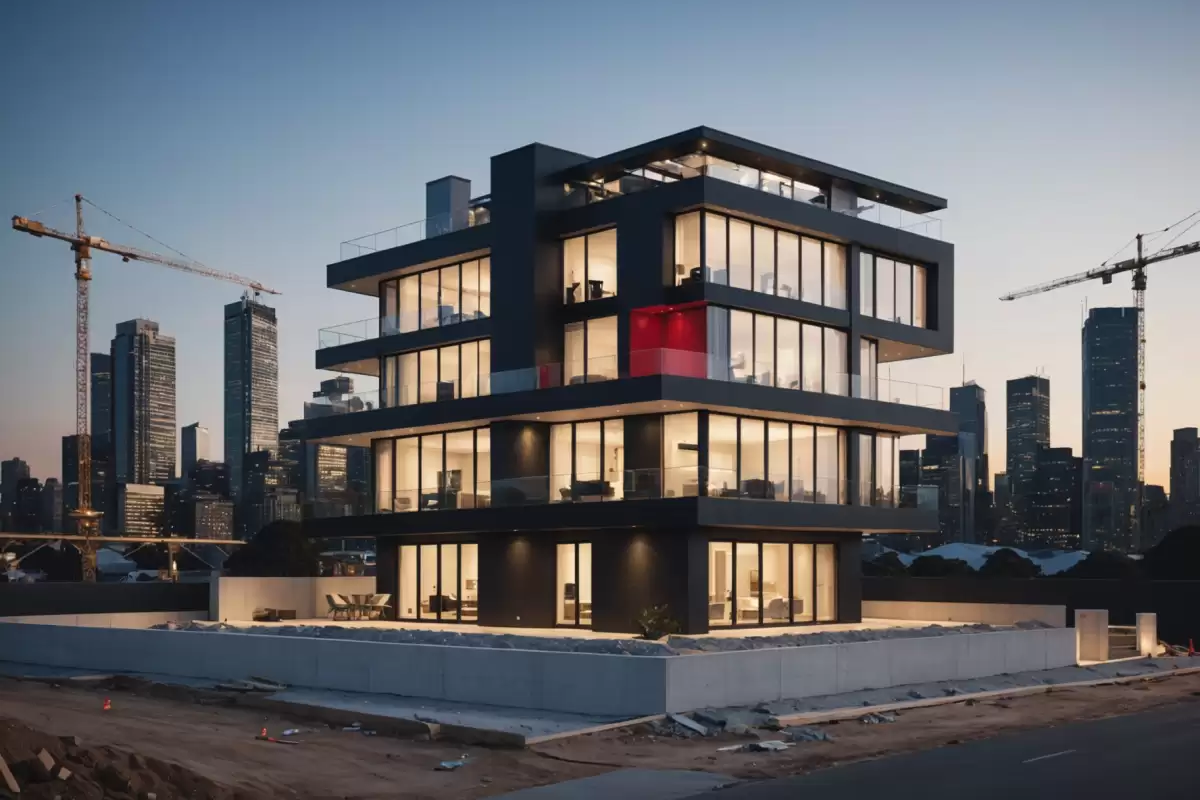
So, how can developers and builders meet this demand? It starts with the materials. Sustainable luxury homes often feature reclaimed wood, recycled metal, and eco-friendly insulation. These materials not only reduce the carbon footprint but also add a unique character to the home. Imagine a grand staircase made from reclaimed oak or a sleek kitchen with recycled glass countertops—luxury with a story to tell.

Energy efficiency is another cornerstone of sustainable luxury. Incorporating solar panels, geothermal heating, and smart home technologies can drastically reduce energy consumption. These features are not just environmentally friendly; they also appeal to the tech-savvy homeowner who values innovation and efficiency. Ever tried controlling your home’s climate with a swipe on your phone? It’s a game-changer!

Water conservation is equally crucial. Rainwater harvesting systems and low-flow fixtures can significantly reduce water usage. And let’s not forget about landscaping—choosing native plants that require minimal watering not only conserves water but also enhances the property’s natural beauty.

But sustainability isn’t just about the physical structure; it’s also about location. Building in areas with access to public transport, walking paths, and local amenities reduces the need for car travel, further decreasing the home’s carbon footprint. It’s about creating a lifestyle that harmonises with the environment.

Now, you might be wondering, how does all this tie back to the world of luxury home building in Sydney? Well, Magico Constructions is at the forefront of this movement. Their approach to luxury home building in Sydney is not just about crafting beautiful homes; it’s about creating spaces that are as sustainable as they are stunning. They understand the unique challenges of building in Sydney, from navigating local regulations to understanding the city’s diverse neighbourhoods. If you’re curious about how they do it, check out their insightful article on building your dream luxury home in Sydney at Magico Constructions’ blog.

For those looking to delve deeper into sustainable luxury, the Architecture 2030 initiative is a fantastic resource. It offers a wealth of information on how the building sector can achieve a carbon-neutral future. Whether you’re a developer, builder, or simply an enthusiast, it’s a treasure trove of insights and inspiration.

In conclusion, the future of luxury home building lies in sustainability. It’s about creating homes that are as kind to the planet as they are to their inhabitants. As business leaders and developers, embracing this shift not only meets the demands of modern homeowners but also positions you as a pioneer in the industry. So, why not explore this path of sustainable luxury? After all, it’s not just about building homes; it’s about building a better future.

Unlocking Innovation: How AI Is Transforming Business Operations

Unlocking Innovation: How AI Is Transforming Business Operations

In the fast-paced world of business, staying ahead of the curve often means embracing the latest technological trends. One such trend that has been making waves is the integration of artificial intelligence (AI) into business operations. AI is not just a buzzword; it’s a transformative force that’s reshaping industries from healthcare to finance. But what does this mean for the everyday business owner? Let’s dive into the world of AI and explore how it can be a game-changer for your business.

AI has the potential to revolutionise the way businesses operate by enhancing efficiency, improving customer experiences, and driving innovation. Imagine having a virtual assistant that can handle customer inquiries 24/7, analyse data to forecast trends, and even automate mundane tasks. Sounds like a dream, right? Well, it’s becoming a reality for many businesses. Companies are increasingly leveraging AI to streamline operations and gain a competitive edge.

Take, for instance, the retail industry. Retailers are using AI to personalise shopping experiences, manage inventory more effectively, and even predict consumer behaviour. By analysing data from various sources, AI can help retailers understand what products are in demand and when, allowing them to optimise their stock levels and reduce waste. This not only saves money but also enhances customer satisfaction by ensuring that popular items are always available.

But it’s not just the retail sector that’s benefiting from AI. In the financial industry, AI is being used to detect fraudulent activities, assess credit risks, and provide personalised financial advice. By analysing vast amounts of data, AI can identify patterns and anomalies that would be impossible for humans to detect. This not only helps in preventing fraud but also ensures that customers receive tailored financial solutions that meet their individual needs.

Now, you might be wondering how AI relates to the recent article published by [Business Name] on their blog titled “[Article Title]”. Their article delves into [briefly describe the topic of the article], which is a crucial aspect of the broader AI landscape. By exploring [specific aspect or insight from the article], [Business Name] provides valuable insights into how businesses can harness this technology to drive growth and innovation. I highly recommend checking out their article at [URL] for a deeper understanding of this fascinating subject.

Of course, integrating AI into your business isn’t without its challenges. It requires a strategic approach and a willingness to adapt to new ways of working. But the potential benefits far outweigh the hurdles. By embracing AI, businesses can not only improve their operational efficiency but also unlock new opportunities for growth and innovation. It’s about working smarter, not harder.

For those keen on exploring more about the transformative potential of AI in business, the [Another Related Website or Resource] offers a wealth of information. They provide in-depth articles, case studies, and expert opinions on how AI is reshaping industries worldwide. It’s a fantastic resource for anyone looking to stay ahead in the ever-evolving business landscape.

In conclusion, AI is not just a futuristic concept; it’s here and now, ready to revolutionise the way we do business. Whether you’re a small business owner or a corporate executive, understanding and leveraging AI can be your key to staying competitive in today’s dynamic market. So, why not take the plunge and explore how this incredible technology can transform your business? After all, in the world of business, those who innovate are the ones who thrive.