
Posts

Threading the Future: Navigating Supply Chains and Sustainability in the Textile Industry

Threading the Future: Navigating Supply Chains and Sustainability in the Textile Industry

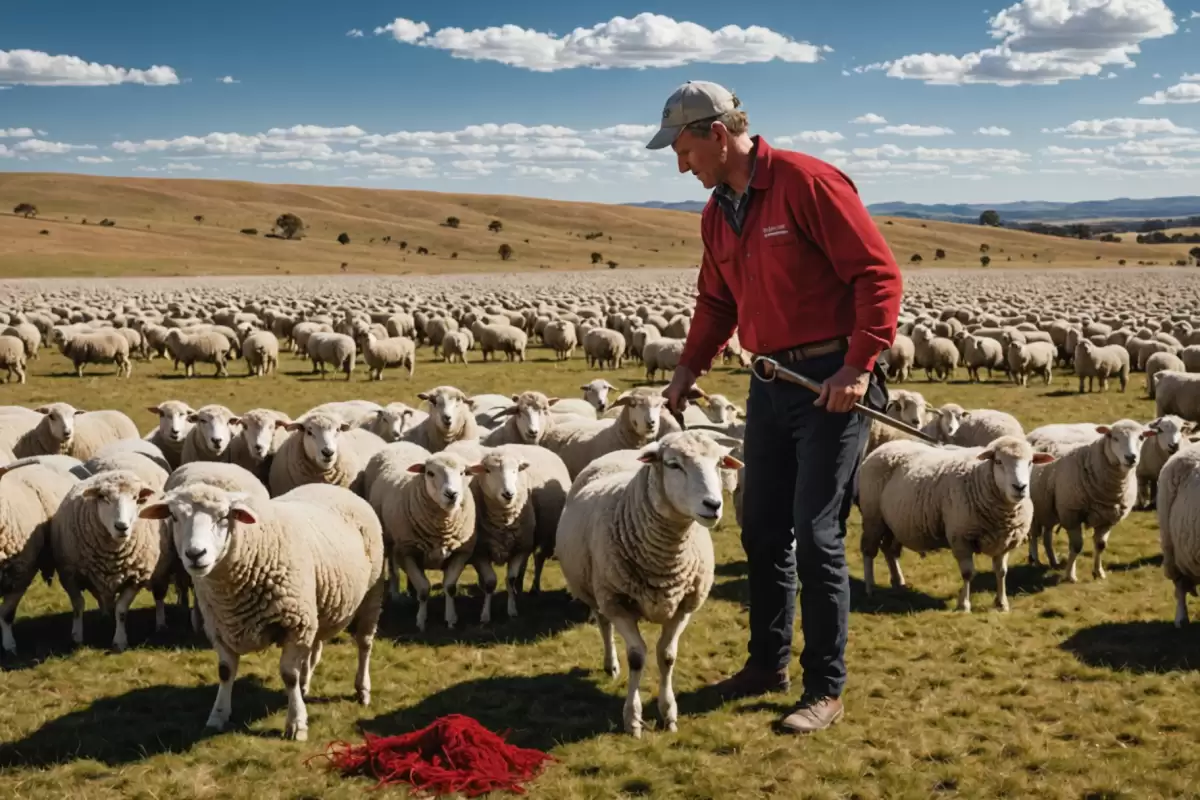
In the ever-evolving landscape of global trade, the textile industry stands as a testament to both tradition and innovation. From the ancient looms of yesteryears to today’s high-tech spinning machines, the journey of textiles is nothing short of fascinating. But as we delve deeper into this world, one can’t help but wonder: how do businesses ensure they stay ahead in such a competitive market?

For many, the answer lies in understanding the nuances of supply chain management. It’s not just about sourcing materials; it’s about building relationships, ensuring sustainability, and leveraging technology to streamline operations. Let’s explore these elements and see how they can transform your textile business.

The Art of Building Relationships

Ever tried building a house without a solid foundation? It’s a disaster waiting to happen. Similarly, in the textile industry, establishing strong relationships with suppliers is crucial. These partnerships ensure a consistent supply of quality materials, which is the backbone of any successful textile operation. But how do you choose the right partners? Look for those who value transparency and are committed to sustainability. These qualities foster trust and ensure both parties are aligned in their goals.

Speaking of trust and relationships, have you ever considered the role of a wool broker? They’re like the matchmakers of the wool world, connecting mills with top-notch suppliers. If you’re curious about how this works, check out Lana’s insights on navigating the Australian wool market. Their expertise could be just what you need to elevate your sourcing strategy. You can explore more on their blog here.

Sustainability: More Than Just a Buzzword

In today’s world, sustainability isn’t just a trend—it’s a necessity. Consumers are increasingly conscious of the environmental impact of their purchases, and businesses must adapt to meet these expectations. For the textile industry, this means sourcing materials responsibly, reducing waste, and ensuring ethical production practices.

But how do you integrate sustainability into your operations? Start by evaluating your current practices. Are your suppliers committed to ethical sourcing? Do they engage in responsible land management? By prioritising these aspects, you not only contribute to a healthier planet but also appeal to environmentally conscious consumers. It’s a win-win situation!

Leveraging Technology: The Game-Changer

Remember the days when sourcing materials meant endless phone calls and piles of paperwork? Thankfully, those days are behind us. Today, technology plays a pivotal role in streamlining the sourcing process. From online platforms that offer detailed product information to digital communication tools that enhance collaboration, the possibilities are endless.

Imagine being able to view the characteristics of wool fibres at the click of a button or placing orders without the hassle of traditional methods. It’s not just about convenience; it’s about efficiency and accuracy. And if you’re wondering how to get started, Lana’s article on Australian wool suppliers offers valuable insights into leveraging technology for better sourcing.

Practical Steps for Business Owners

So, how can you apply these insights to your textile business? Here are a few practical steps:

      1. Evaluate Your Supply Chain: Identify areas for improvement and seek partners who align with your values.
      2. Embrace Sustainability: Implement eco-friendly practices and communicate your efforts to consumers.
      3. Utilise Technology: Invest in digital tools that enhance efficiency and accuracy in sourcing.

By focusing on these areas, you’ll not only enhance your operations but also position your business for long-term success. And if you’re eager to delve deeper into the intricacies of textile sourcing, don’t miss out on Lana’s comprehensive guide. It’s a treasure trove of information for anyone looking to navigate the complex world of wool suppliers.

For those who want to expand their knowledge further, the Textile Exchange offers a wealth of resources on sustainable practices and industry trends. It’s a fantastic starting point for businesses keen on making a positive impact.

In conclusion, the textile industry is a dynamic field that requires adaptability, foresight, and a commitment to excellence. By building strong relationships, prioritising sustainability, and leveraging technology, business owners can ensure they remain competitive in this ever-changing market. So, are you ready to take your textile business to the next level?

Weaving Success: Mastering Supply Chain Dynamics in the Wool Industry

Weaving Success: Mastering Supply Chain Dynamics in the Wool Industry

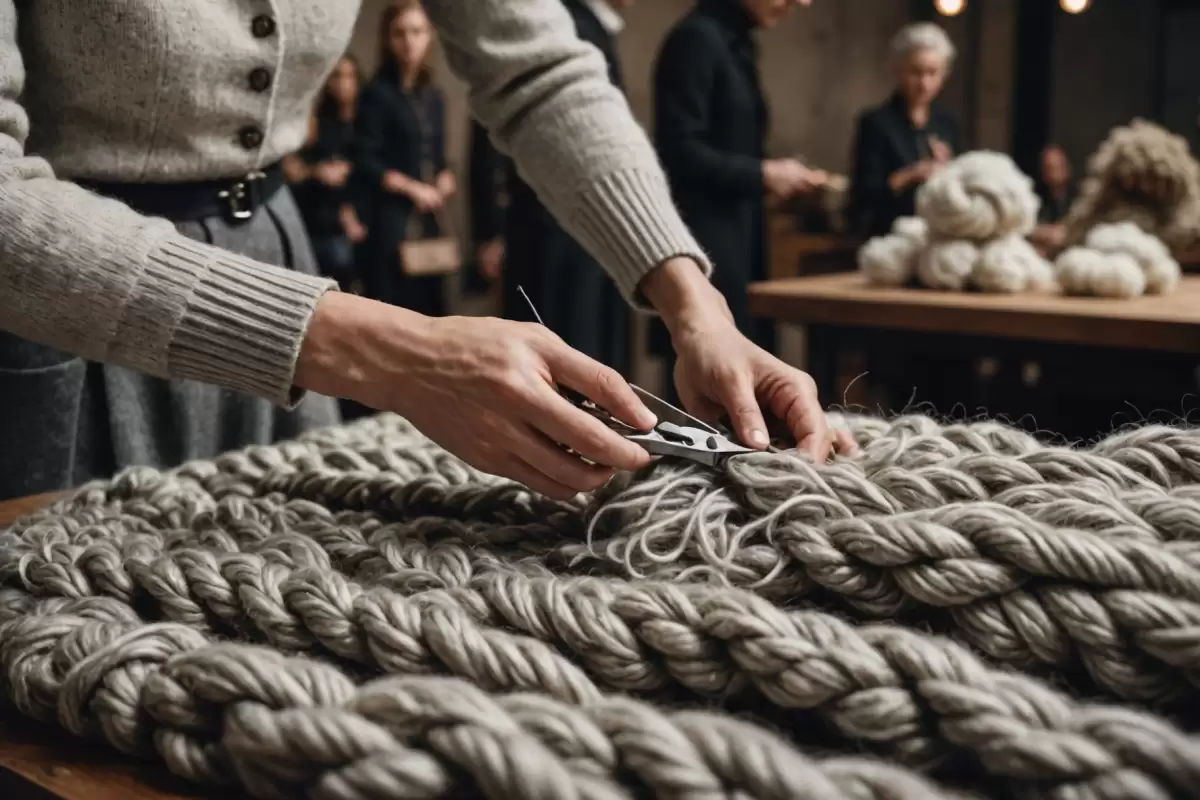
In the ever-evolving landscape of global trade, the wool industry stands as a testament to the blend of tradition and innovation. As businesses strive to carve out their niche, understanding the intricacies of supply chain management becomes crucial. But here’s the kicker: it’s not just about moving goods from point A to point B. It’s about creating a seamless, efficient, and sustainable system that benefits everyone involved.

Supply chain management is the backbone of any successful business, and in the wool industry, it’s no different. From the shearing sheds of rural Australia to the bustling markets of Europe, every step in the process needs to be meticulously planned and executed. But what does it take to master this art? Let’s dive in.

Understanding the Supply Chain Dynamics

At its core, supply chain management is about coordination. It’s about ensuring that every link in the chain is strong and reliable. This involves understanding market demands, managing logistics, and maintaining quality control. But it doesn’t stop there. The best supply chains are those that are adaptable, able to respond to changes in the market with agility and foresight.

Ever tried juggling? That’s what managing a supply chain often feels like. You’ve got to keep all the balls in the air, ensuring that nothing falls through the cracks. And just like juggling, it takes practice, skill, and a bit of flair.

The Role of Technology

In today’s digital age, technology plays a pivotal role in streamlining supply chains. Advanced analytics, real-time tracking, and automated systems are just a few of the tools that businesses can leverage to enhance efficiency. These technologies not only reduce costs but also improve accuracy and speed, giving businesses a competitive edge.

But here’s a thought: technology is only as good as the people who use it. It’s essential to invest in training and development to ensure that your team can harness the full potential of these tools. After all, a tool is just a tool until someone knows how to use it effectively.

Sustainability in Supply Chains

Sustainability is no longer just a buzzword; it’s a necessity. Consumers are increasingly conscious of the environmental impact of their purchases, and businesses need to respond accordingly. This means adopting sustainable practices throughout the supply chain, from sourcing raw materials to delivering the final product.

Imagine a world where every business prioritises sustainability. Not only would it benefit the planet, but it would also create a more resilient and robust supply chain. It’s a win-win situation, and it’s something that every business should strive for.

Connecting the Dots with Lana’s Insights

Speaking of sustainability and efficiency, the wool industry offers some fascinating insights. Lana’s article on what sets the best wool brokers in Australia apart highlights the importance of understanding market dynamics and building strong relationships. These are principles that apply not just to wool but to any industry looking to optimise its supply chain.

Lana emphasises the role of technology and sustainability, echoing the broader trends we’ve discussed here. By exploring their article, you’ll gain a deeper understanding of how these elements come together to create a successful business strategy.

Further Exploration

If you’re keen to delve deeper into the world of supply chain management, the SupplyChainBrain website offers a wealth of resources and insights. From case studies to expert analyses, it’s a treasure trove of information for anyone looking to enhance their supply chain knowledge.

In conclusion, mastering supply chain management is no small feat, but with the right tools, strategies, and mindset, it’s entirely achievable. Whether you’re in the wool industry or any other sector, the principles remain the same. So, why not take the plunge and explore the resources available to you? Who knows, it might just be the game-changer your business needs.

Hemp: The Unsung Hero of Sustainable Fashion Revolution

Hemp: The Unsung Hero of Sustainable Fashion Revolution

In the ever-evolving world of textiles, innovation is the name of the game. From high-tech fabrics that can regulate body temperature to materials that change colour with the flick of a switch, the textile industry is a hotbed of creativity and advancement. But amidst all these futuristic developments, there’s a quiet revolution happening in the realm of natural fibres. Enter hemp—a plant that’s been around for centuries but is now making waves in the fashion industry for its sustainability and versatility.

Hemp, often overshadowed by its more controversial cousin cannabis, is a powerhouse of a plant. It grows rapidly, requires minimal water, and doesn’t need pesticides, making it an eco-friendly choice for fabric production. But what really sets hemp apart is its durability. Imagine a fabric that gets softer with each wash yet remains robust enough to withstand the rigours of daily wear. That’s hemp for you. It’s like the reliable friend who’s always there when you need them, never asking for much in return.

Now, you might be wondering, “Why haven’t we been using hemp all along?” Well, the truth is, we have. Hemp has been used for thousands of years, but it fell out of favour in the 20th century due to its association with marijuana and the rise of synthetic fibres. However, as sustainability becomes a key focus for businesses and consumers alike, hemp is making a much-deserved comeback. And it’s not just the eco-conscious brands jumping on the bandwagon; major fashion houses are also starting to see the light.

So, what makes hemp such an attractive option for the fashion industry? For starters, it’s incredibly versatile. Hemp can be blended with other fibres to create a range of textures and finishes, from soft and silky to coarse and rugged. This versatility allows designers to experiment and innovate, creating unique pieces that stand out in a crowded market. Plus, hemp’s natural resistance to mould and UV light means it’s perfect for outdoor wear. Ever tried hiking in a hemp jacket? It’s a game-changer!

But it’s not just about the product; it’s about the process too. The hemp industry is committed to sustainable practices, much like the merino wool industry in Australia. In fact, there are striking parallels between the two. Both industries prioritise ethical sourcing and environmental responsibility, ensuring that their products are not just high-quality but also kind to the planet. If you’re interested in learning more about sustainable practices in the textile industry, you might want to check out Lana’s article on Australian merino wool sourcing. It’s a fascinating read that delves into the unique qualities and sustainability of merino wool, offering insights into why it’s revolutionising fashion. You can find it here.

Now, let’s talk business. For entrepreneurs and business owners, hemp presents a host of opportunities. The demand for sustainable products is on the rise, and consumers are willing to pay a premium for eco-friendly options. By incorporating hemp into your product line, you’re not just meeting this demand; you’re setting your brand apart as a leader in sustainability. It’s like hitting two birds with one stone—boosting your brand’s reputation while contributing to a healthier planet.

However, as with any industry, there are challenges to overcome. The hemp industry is still in its infancy, and there are hurdles related to supply chain logistics, regulatory issues, and consumer perception. But these challenges also present opportunities for growth and innovation. By investing in research and development, businesses can find new ways to process and utilise hemp, creating products that are not only sustainable but also cutting-edge.

In conclusion, the textile industry is at a crossroads. As we move towards a more sustainable future, natural fibres like hemp and merino wool are leading the way. They offer a glimpse into what’s possible when we combine tradition with innovation, creating products that are both beautiful and responsible. So, whether you’re a business owner looking to expand your product line or a consumer seeking sustainable options, the time to embrace natural fibres is now.

For those interested in diving deeper into the world of sustainable textiles, the Sustainable Fashion Forum is an excellent resource. It’s a platform dedicated to promoting sustainability in fashion, offering insights, discussions, and resources for those passionate about making a difference. Happy exploring!