

Posts

Harnessing Forward Contracts: A Strategic Shield Against Market Volatility

Harnessing Forward Contracts: A Strategic Shield Against Market Volatility

In the ever-evolving landscape of global trade, businesses are constantly seeking strategies to mitigate risk and ensure stability. One such strategy that’s gaining traction is the use of forward contracts, not just in wool, but across various commodities. Forward contracts are agreements to buy or sell an asset at a predetermined price at a future date, providing a hedge against price volatility. But how do these contracts play out in industries beyond wool, and why should you, as a business owner, care?

Let’s take a closer look at the agricultural sector, where forward contracts have become a staple for managing uncertainty. Imagine you’re a coffee producer in Colombia. The global coffee market is notoriously volatile, with prices swinging wildly due to factors like weather conditions, geopolitical tensions, and changing consumer preferences. By entering into a forward contract, you can lock in a price for your coffee beans ahead of time, ensuring that your hard work pays off regardless of market fluctuations. It’s like having a financial safety net, allowing you to focus on what you do best—growing top-notch coffee.

Similarly, forward contracts are a boon for buyers. Consider a coffee roaster in Italy who relies on a steady supply of beans to meet consumer demand. By securing a forward contract, the roaster can ensure a consistent supply at a fixed price, helping manage costs and maintain product quality. This predictability is crucial in a competitive market where consistency can make or break a brand.

Now, you might be wondering, how does this relate to the wool industry? Well, the principles are remarkably similar. In fact, the folks over at Lana have penned a fantastic article on how forward wool contracts can secure your wool business’s future. They delve into the mechanics of these contracts and their benefits for both wool growers and processors. If you’re in the wool industry, or even if you’re just curious about how forward contracts work in a specific market, I highly recommend checking out their insights. You can find the article here.

But let’s not stop there. Forward contracts are not limited to agriculture. They’re also prevalent in industries like energy, where companies lock in prices for oil, gas, or electricity to shield themselves from market volatility. For instance, an airline might use forward contracts to hedge against fluctuating fuel prices, ensuring that ticket prices remain stable for customers. It’s a smart move that keeps operations smooth and budgets predictable.

Of course, forward contracts aren’t without their challenges. They require a keen understanding of market trends and a willingness to commit to a future price. There’s always the risk that market prices could move in your favour after you’ve locked in a contract, potentially leading to missed opportunities. However, for many businesses, the peace of mind that comes with price certainty outweighs these risks.

For those considering forward contracts, it’s important to set clear terms and maintain open communication with your counterparties. Define the quality and quantity of goods, agree on delivery dates, and outline payment terms. And remember, life is unpredictable—having contingency plans in place can save you a lot of headaches down the line. As Lana points out, these contracts can also foster long-term partnerships, creating a win-win situation for all parties involved.

In conclusion, forward contracts are a versatile tool for managing risk and ensuring stability across various industries. Whether you’re dealing in wool, coffee, or crude oil, these agreements can provide the certainty you need to thrive in a volatile market. If you’re ready to explore how forward contracts can benefit your business, don’t hesitate to dive deeper into Lana’s article. And for a broader perspective on futures and forward contracts, you might find this Investopedia guide to be a valuable resource.

So, what are you waiting for? Take the plunge and see how forward contracts can be a game-changer for your business. After all, in the world of business, foresight is everything.
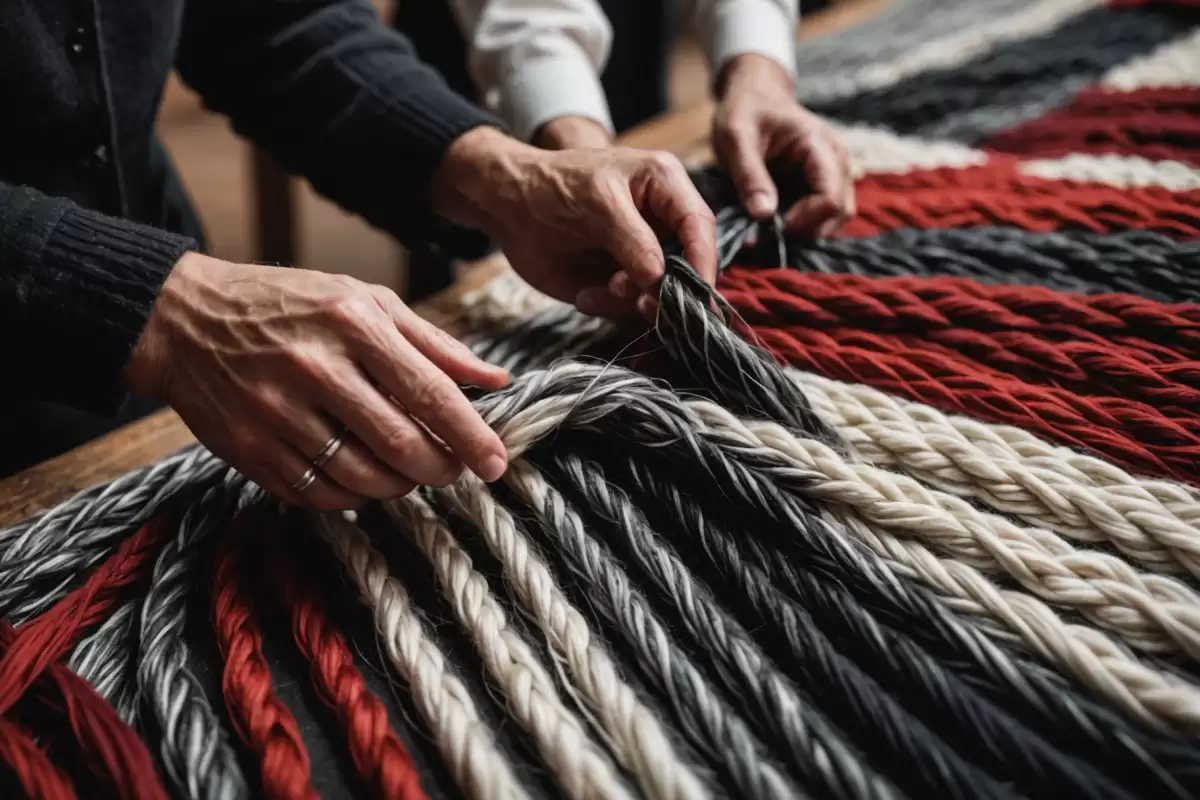

Cotton’s Global Influence: Navigating Market Dynamics for Business Growth

Cotton’s Global Influence: Navigating Market Dynamics for Business Growth

In the fast-paced world of global trade, understanding the intricacies of commodity markets can be akin to navigating a labyrinth. One such market that often flies under the radar, yet holds significant importance, is the global textile industry. Within this realm, the cotton market stands as a cornerstone, influencing everything from fashion trends to economic policies. But what makes cotton such a pivotal player, and how can businesses leverage this knowledge to their advantage?

Cotton, often dubbed the ‘fabric of our lives’, is more than just a textile staple. It’s a barometer for economic health, a driver of innovation in sustainable practices, and a key player in international trade relations. For business owners and industry insiders, understanding the cotton market dynamics can unlock opportunities for growth and sustainability.

The Dynamics of the Cotton Market

Like any commodity, cotton prices are subject to the whims of supply and demand. However, the cotton market is also uniquely influenced by factors such as weather patterns, geopolitical tensions, and technological advancements. For instance, a drought in major cotton-producing regions like India or the United States can send ripples through the market, affecting prices worldwide. Similarly, trade policies and tariffs can either bolster or hinder the flow of cotton across borders, impacting both producers and buyers.

But it’s not all doom and gloom. Technological advancements in agriculture, such as precision farming and genetically modified crops, have revolutionised cotton production. These innovations not only increase yield but also promote sustainability—a growing concern among consumers and businesses alike.

Quality Matters

In the cotton industry, quality is king. The quality of cotton, determined by factors such as fibre length, strength, and colour, directly influences its market value. Businesses that prioritise sourcing high-quality cotton can command higher prices for their products, creating a competitive edge in the market. Ever tried wearing a shirt made from premium cotton? It’s a game-changer!

The Sustainability Shift

Sustainability is no longer just a buzzword; it’s a business imperative. As consumers become more environmentally conscious, the demand for sustainably produced cotton is on the rise. This shift presents both challenges and opportunities for businesses. On one hand, adopting sustainable practices can incur additional costs. On the other, it opens up new markets and enhances brand reputation.

For businesses looking to navigate this landscape, understanding the nuances of the cotton market is crucial. And speaking of understanding market dynamics, have you ever considered how similar principles apply to other textile fibres, like wool?

Connecting the Dots: Cotton and Wool Markets

While cotton and wool are distinct in many ways, they share common threads (pun intended) in market dynamics. Both are influenced by supply and demand, quality metrics, and sustainability trends. For those interested in diving deeper into the wool market, the article “Australian Wool Market Prices: A Guide for Buyers“ on Lana’s blog offers a comprehensive look at the factors influencing wool prices. It’s a must-read for anyone keen on understanding how these markets operate and how to secure top-quality fibres at a fair price.

Practical Tips for Business Owners

So, how can businesses leverage this knowledge to their advantage? Here are a few practical tips:

Stay Informed

Knowledge is power. Subscribe to industry publications, attend trade shows, and engage with market reports to stay ahead of trends. This proactive approach can help you anticipate market shifts and make informed decisions.

Build Strong Relationships

Whether you’re dealing in cotton or wool, building long-term relationships with suppliers and brokers can lead to better pricing and consistent quality. Trust and transparency are the foundations of these partnerships, providing stability in a fluctuating market.

Embrace Sustainability

Adopting sustainable practices is not just good for the planet; it’s good for business. Consumers are increasingly willing to pay a premium for sustainably produced goods, making it a worthwhile investment.

Looking Ahead

As the global textile industry continues to evolve, staying informed and adaptable is key. For those interested in exploring more about the cotton market, the Cotton Incorporated website offers a wealth of resources and insights into the latest trends and innovations.

In conclusion, whether you’re in the cotton or wool market, understanding the dynamics at play can unlock new opportunities for growth and sustainability. So, why not take a moment to explore these resources and see how they can benefit your business? After all, in the world of textiles, knowledge truly is woven into the fabric of success.