

Posts

Embracing Sustainability: A Business Imperative for Profit and Planet

Embracing Sustainability: A Business Imperative for Profit and Planet

In the world of business, sustainability is no longer just a buzzword—it’s a necessity. Companies across the globe are increasingly recognising the importance of integrating sustainable practices into their core operations. But what does sustainability truly mean for a business, and how can it be effectively implemented? Let’s dive into this topic and explore how businesses can embrace sustainability without compromising profitability.

Understanding Sustainability in Business

Sustainability in business refers to the adoption of practices that meet the needs of the present without compromising the ability of future generations to meet their own needs. It’s about balancing economic growth with environmental stewardship and social responsibility. In practice, this means reducing waste, conserving resources, and ensuring fair labour practices.

Integrating Sustainable Practices

So, how can businesses integrate sustainability into their operations? It starts with a commitment from the top. Leadership must prioritise sustainability and communicate its importance throughout the organisation. This can be achieved by setting clear goals, such as reducing carbon emissions or sourcing materials responsibly.

One practical approach is to conduct a sustainability audit. This involves assessing current practices and identifying areas for improvement. For instance, can your supply chain be more efficient? Are there opportunities to reduce energy consumption in your facilities? By answering these questions, businesses can develop a roadmap for sustainable growth.

The Role of Innovation

Innovation plays a crucial role in achieving sustainability. Businesses must be willing to explore new technologies and processes that can enhance efficiency and reduce environmental impact. Take, for example, the shift towards renewable energy sources. By investing in solar or wind power, companies can significantly reduce their carbon footprint.

Moreover, innovation isn’t just about technology. It’s also about rethinking traditional business models. Consider the rise of the circular economy, where products are designed for reuse and recycling, minimising waste and maximising resource efficiency. This approach not only benefits the environment but can also open up new revenue streams.

Engaging Stakeholders

Another critical aspect of sustainability is stakeholder engagement. This includes employees, customers, suppliers, and the wider community. Businesses should strive to build strong relationships with these groups and involve them in sustainability initiatives. For example, companies can encourage employees to participate in green programmes or collaborate with suppliers to develop more sustainable products.

Engaging with customers is equally important. Today’s consumers are more informed and conscious of their purchasing decisions. By transparently communicating your sustainability efforts, you can build trust and loyalty with your customer base. Ever tried explaining your green initiatives to a sceptical customer? It’s a game-changer!

Linking to Ethical Wool and Lana’s Insights

Speaking of sustainability, have you ever considered the impact of the textiles you use? The fashion industry, for instance, is notorious for its environmental footprint. This is where ethical wool comes into play. Ethical wool is sourced with a focus on animal welfare, sustainable farming practices, and community support. It’s not just about feeling good; it’s about doing good.

Lana’s article on ethical wool provides an insightful look into how businesses can incorporate these values into their brand. By choosing ethical wool, companies can enhance their sustainability credentials and appeal to eco-conscious consumers. So, why not explore how ethical wool can be a part of your sustainability journey?

Measuring Success

Finally, how do you measure the success of your sustainability initiatives? It’s essential to establish key performance indicators (KPIs) that align with your sustainability goals. These could include metrics such as energy consumption, waste reduction, or employee engagement in green programmes. Regularly reviewing these KPIs will help you track progress and make informed decisions.

Conclusion: The Bigger Picture

In conclusion, sustainability is a journey, not a destination. It requires ongoing commitment, innovation, and collaboration. By embracing sustainable practices, businesses can not only reduce their environmental impact but also unlock new opportunities for growth and differentiation.

For those interested in exploring further, the Sustainable Business Network offers a wealth of resources and case studies on how businesses can successfully integrate sustainability into their operations. Remember, every small step counts towards building a more sustainable future.

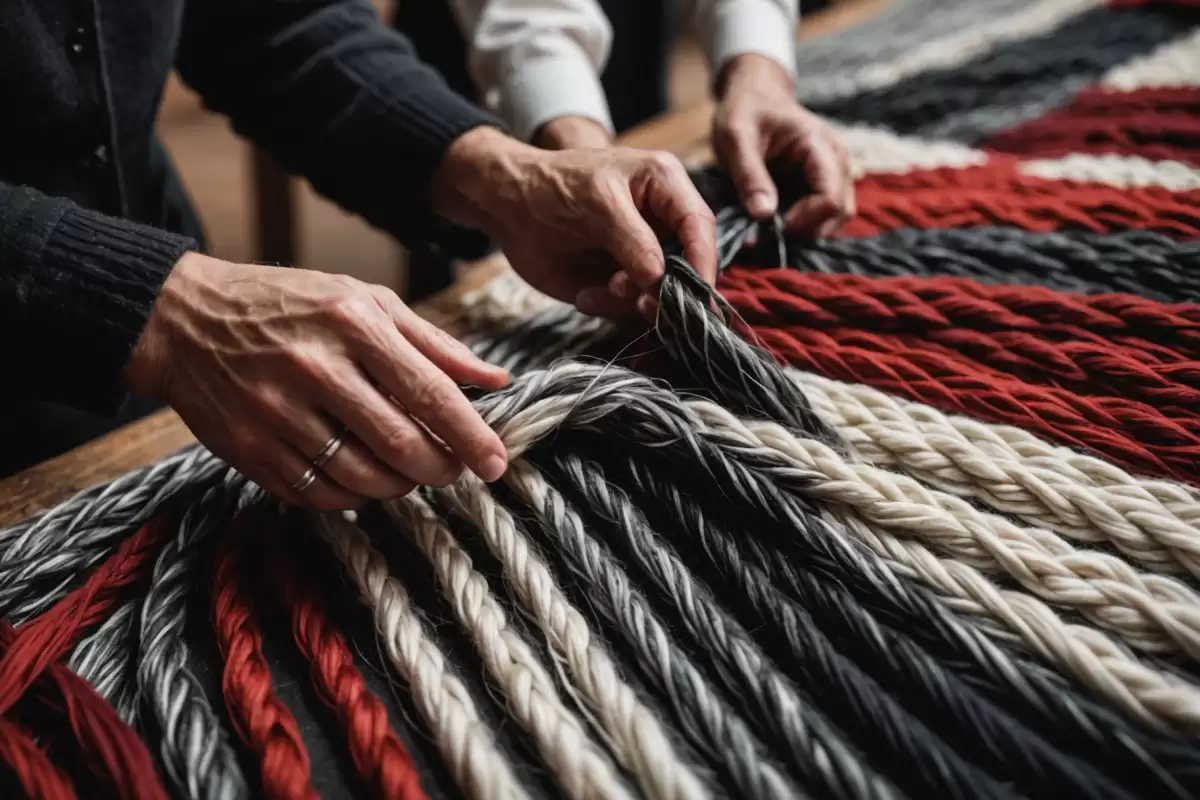
Hemp: The Unsung Hero of Sustainable Fashion Revolution

Hemp: The Unsung Hero of Sustainable Fashion Revolution

In the ever-evolving world of textiles, innovation is the name of the game. From high-tech fabrics that can regulate body temperature to materials that change colour with the flick of a switch, the textile industry is a hotbed of creativity and advancement. But amidst all these futuristic developments, there’s a quiet revolution happening in the realm of natural fibres. Enter hemp—a plant that’s been around for centuries but is now making waves in the fashion industry for its sustainability and versatility.

Hemp, often overshadowed by its more controversial cousin cannabis, is a powerhouse of a plant. It grows rapidly, requires minimal water, and doesn’t need pesticides, making it an eco-friendly choice for fabric production. But what really sets hemp apart is its durability. Imagine a fabric that gets softer with each wash yet remains robust enough to withstand the rigours of daily wear. That’s hemp for you. It’s like the reliable friend who’s always there when you need them, never asking for much in return.

Now, you might be wondering, “Why haven’t we been using hemp all along?” Well, the truth is, we have. Hemp has been used for thousands of years, but it fell out of favour in the 20th century due to its association with marijuana and the rise of synthetic fibres. However, as sustainability becomes a key focus for businesses and consumers alike, hemp is making a much-deserved comeback. And it’s not just the eco-conscious brands jumping on the bandwagon; major fashion houses are also starting to see the light.

So, what makes hemp such an attractive option for the fashion industry? For starters, it’s incredibly versatile. Hemp can be blended with other fibres to create a range of textures and finishes, from soft and silky to coarse and rugged. This versatility allows designers to experiment and innovate, creating unique pieces that stand out in a crowded market. Plus, hemp’s natural resistance to mould and UV light means it’s perfect for outdoor wear. Ever tried hiking in a hemp jacket? It’s a game-changer!

But it’s not just about the product; it’s about the process too. The hemp industry is committed to sustainable practices, much like the merino wool industry in Australia. In fact, there are striking parallels between the two. Both industries prioritise ethical sourcing and environmental responsibility, ensuring that their products are not just high-quality but also kind to the planet. If you’re interested in learning more about sustainable practices in the textile industry, you might want to check out Lana’s article on Australian merino wool sourcing. It’s a fascinating read that delves into the unique qualities and sustainability of merino wool, offering insights into why it’s revolutionising fashion. You can find it here.

Now, let’s talk business. For entrepreneurs and business owners, hemp presents a host of opportunities. The demand for sustainable products is on the rise, and consumers are willing to pay a premium for eco-friendly options. By incorporating hemp into your product line, you’re not just meeting this demand; you’re setting your brand apart as a leader in sustainability. It’s like hitting two birds with one stone—boosting your brand’s reputation while contributing to a healthier planet.

However, as with any industry, there are challenges to overcome. The hemp industry is still in its infancy, and there are hurdles related to supply chain logistics, regulatory issues, and consumer perception. But these challenges also present opportunities for growth and innovation. By investing in research and development, businesses can find new ways to process and utilise hemp, creating products that are not only sustainable but also cutting-edge.

In conclusion, the textile industry is at a crossroads. As we move towards a more sustainable future, natural fibres like hemp and merino wool are leading the way. They offer a glimpse into what’s possible when we combine tradition with innovation, creating products that are both beautiful and responsible. So, whether you’re a business owner looking to expand your product line or a consumer seeking sustainable options, the time to embrace natural fibres is now.

For those interested in diving deeper into the world of sustainable textiles, the Sustainable Fashion Forum is an excellent resource. It’s a platform dedicated to promoting sustainability in fashion, offering insights, discussions, and resources for those passionate about making a difference. Happy exploring!

Cotton’s Global Influence: Navigating Market Dynamics for Business Growth

Cotton’s Global Influence: Navigating Market Dynamics for Business Growth

In the fast-paced world of global trade, understanding the intricacies of commodity markets can be akin to navigating a labyrinth. One such market that often flies under the radar, yet holds significant importance, is the global textile industry. Within this realm, the cotton market stands as a cornerstone, influencing everything from fashion trends to economic policies. But what makes cotton such a pivotal player, and how can businesses leverage this knowledge to their advantage?

Cotton, often dubbed the ‘fabric of our lives’, is more than just a textile staple. It’s a barometer for economic health, a driver of innovation in sustainable practices, and a key player in international trade relations. For business owners and industry insiders, understanding the cotton market dynamics can unlock opportunities for growth and sustainability.

The Dynamics of the Cotton Market

Like any commodity, cotton prices are subject to the whims of supply and demand. However, the cotton market is also uniquely influenced by factors such as weather patterns, geopolitical tensions, and technological advancements. For instance, a drought in major cotton-producing regions like India or the United States can send ripples through the market, affecting prices worldwide. Similarly, trade policies and tariffs can either bolster or hinder the flow of cotton across borders, impacting both producers and buyers.

But it’s not all doom and gloom. Technological advancements in agriculture, such as precision farming and genetically modified crops, have revolutionised cotton production. These innovations not only increase yield but also promote sustainability—a growing concern among consumers and businesses alike.

Quality Matters

In the cotton industry, quality is king. The quality of cotton, determined by factors such as fibre length, strength, and colour, directly influences its market value. Businesses that prioritise sourcing high-quality cotton can command higher prices for their products, creating a competitive edge in the market. Ever tried wearing a shirt made from premium cotton? It’s a game-changer!

The Sustainability Shift

Sustainability is no longer just a buzzword; it’s a business imperative. As consumers become more environmentally conscious, the demand for sustainably produced cotton is on the rise. This shift presents both challenges and opportunities for businesses. On one hand, adopting sustainable practices can incur additional costs. On the other, it opens up new markets and enhances brand reputation.

For businesses looking to navigate this landscape, understanding the nuances of the cotton market is crucial. And speaking of understanding market dynamics, have you ever considered how similar principles apply to other textile fibres, like wool?

Connecting the Dots: Cotton and Wool Markets

While cotton and wool are distinct in many ways, they share common threads (pun intended) in market dynamics. Both are influenced by supply and demand, quality metrics, and sustainability trends. For those interested in diving deeper into the wool market, the article “Australian Wool Market Prices: A Guide for Buyers“ on Lana’s blog offers a comprehensive look at the factors influencing wool prices. It’s a must-read for anyone keen on understanding how these markets operate and how to secure top-quality fibres at a fair price.

Practical Tips for Business Owners

So, how can businesses leverage this knowledge to their advantage? Here are a few practical tips:

Stay Informed

Knowledge is power. Subscribe to industry publications, attend trade shows, and engage with market reports to stay ahead of trends. This proactive approach can help you anticipate market shifts and make informed decisions.

Build Strong Relationships

Whether you’re dealing in cotton or wool, building long-term relationships with suppliers and brokers can lead to better pricing and consistent quality. Trust and transparency are the foundations of these partnerships, providing stability in a fluctuating market.

Embrace Sustainability

Adopting sustainable practices is not just good for the planet; it’s good for business. Consumers are increasingly willing to pay a premium for sustainably produced goods, making it a worthwhile investment.

Looking Ahead

As the global textile industry continues to evolve, staying informed and adaptable is key. For those interested in exploring more about the cotton market, the Cotton Incorporated website offers a wealth of resources and insights into the latest trends and innovations.

In conclusion, whether you’re in the cotton or wool market, understanding the dynamics at play can unlock new opportunities for growth and sustainability. So, why not take a moment to explore these resources and see how they can benefit your business? After all, in the world of textiles, knowledge truly is woven into the fabric of success.

Crafting Connections: The Rise of Experiential Marketing in Today’s Business Landscape

Crafting Connections: The Rise of Experiential Marketing in Today’s Business Landscape

In the world of business, the concept of experiential marketing is gaining traction like never before. It’s not just about selling a product or a service anymore; it’s about creating a memorable experience that resonates with consumers long after the transaction is complete. This approach is particularly relevant in today’s market, where consumers are bombarded with choices and crave genuine connections. But what exactly is experiential marketing, and how can businesses leverage it to their advantage?

Experiential marketing, at its core, is about engaging customers through meaningful experiences. It’s the art of creating a tangible connection between the consumer and the brand. Think of it as a way to bring your brand to life, allowing consumers to interact with it in a physical space. This could be through events, pop-up shops, or interactive installations. The goal is to create a memorable moment that not only captures attention but also fosters brand loyalty.

Now, you might be wondering, “Isn’t this just another marketing fad?” Not quite. The power of experiential marketing lies in its ability to create emotional connections. By engaging multiple senses, businesses can forge a deeper bond with their audience. Ever attended a brand event that left you feeling inspired or connected? That’s experiential marketing at work.

Businesses across various industries are embracing this trend. For instance, tech companies often host interactive demos to showcase their latest gadgets, while fashion brands might organise exclusive runway shows for their VIP customers. The possibilities are endless, and the impact can be significant. According to a study by EventTrack, 74% of consumers say engaging with branded event marketing experiences makes them more likely to buy the products being promoted.

This brings us to an interesting intersection with the travel and adventure sector. MyAdventure Group, a leader in crafting unique travel experiences, recently published an article that delves into the intricacies of creating memorable adventures for their clients. Their approach aligns perfectly with the principles of experiential marketing. By curating bespoke travel experiences, they not only cater to the wanderlust of their clients but also build lasting relationships. If you’re curious about how they achieve this, their article provides an insightful read. You can check it out here.

Incorporating experiential marketing into your business strategy doesn’t have to be a daunting task. Start small. Consider hosting a local event or partnering with other brands to create a unique experience. The key is to stay true to your brand’s identity while offering something valuable to your audience. Remember, it’s not just about the immediate sales; it’s about building a community around your brand.

Moreover, with the rise of digital platforms, experiential marketing has expanded beyond physical events. Virtual experiences are becoming increasingly popular, especially in the wake of the global pandemic. Brands are now exploring virtual reality (VR) and augmented reality (AR) to engage their audience in innovative ways. This digital shift opens up a world of possibilities for businesses looking to connect with a global audience.

For those interested in diving deeper into the world of experiential marketing, the Event Marketing Institute offers a wealth of resources and case studies. Their insights can provide valuable guidance for businesses looking to enhance their marketing strategies. You can explore their offerings here.

In conclusion, experiential marketing is more than just a trend—it’s a powerful tool for businesses to create lasting impressions and foster genuine connections. Whether through physical events or digital experiences, the opportunities are vast. So, why not give it a try? Who knows, your next marketing campaign might just be the game-changer your business needs.