
Posts

Embracing the Future: Harnessing Remote Work and Co-Working Spaces for Business Success

Embracing the Future: Harnessing Remote Work and Co-Working Spaces for Business Success

In today’s fast-paced business world, the concept of work is evolving at an unprecedented rate. Gone are the days when a nine-to-five job in a stuffy office was the norm. Today, more and more professionals are embracing flexible work arrangements, and remote work is leading the charge. But what does this mean for business owners? How can they harness the power of remote work to drive growth and innovation?

Remote work isn’t just about working from home in your pyjamas—although, let’s be honest, that’s a perk we all enjoy. It’s about creating a work environment that fosters creativity, productivity, and well-being. The benefits are clear: reduced commute times, increased job satisfaction, and access to a global talent pool. But how can businesses make the most of this trend?

First, it’s essential to build a strong digital infrastructure. This means investing in the right tools and technologies that enable seamless communication and collaboration. Platforms like Slack, Zoom, and Trello have become indispensable for remote teams, allowing employees to stay connected and productive no matter where they are in the world. But technology is just one piece of the puzzle.

Creating a strong company culture is equally important. When your team is scattered across different locations, it can be challenging to maintain a sense of unity and shared purpose. Regular virtual meetings, team-building activities, and clear communication channels can help bridge the gap and ensure everyone feels valued and included. Remember, a happy team is a productive team.

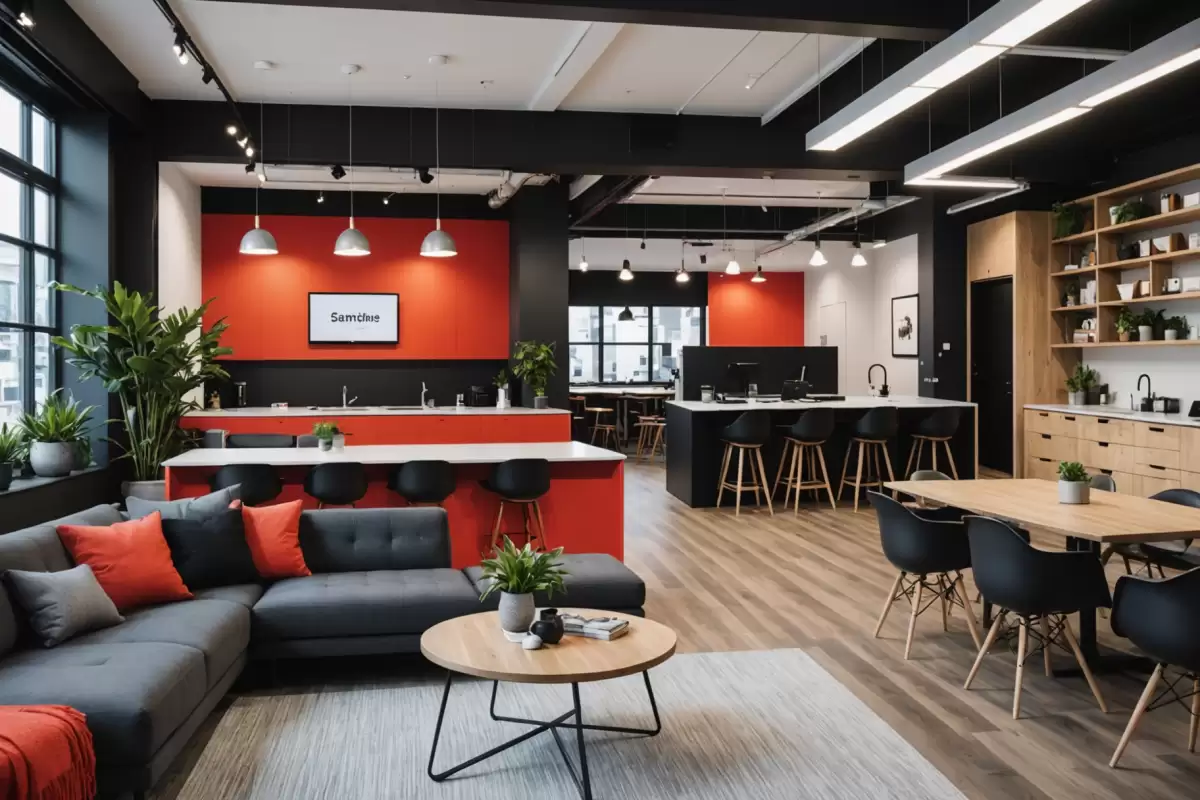
But what about those who crave a more dynamic work environment? Enter co-working spaces. These innovative workspaces offer the best of both worlds: the flexibility of remote work combined with the social and professional benefits of a traditional office. In Auckland, for instance, co-working spaces are gaining popularity among entrepreneurs and small business owners looking for a vibrant and collaborative environment. The Crate, a leading co-working space in Auckland, highlights the advantages of such spaces in their article on The Crate’s blog. They provide insights into how co-working spaces can drive business growth by fostering community, flexibility, and creativity.

For business owners, co-working spaces offer a unique opportunity to network with like-minded professionals and tap into a wealth of resources and expertise. Ever tried brainstorming with a group of diverse individuals? It’s a game-changer! The cross-pollination of ideas can lead to innovative solutions and new business opportunities. Plus, co-working spaces often host events and workshops that can further enhance your skills and knowledge.

Of course, remote work and co-working spaces aren’t without their challenges. Managing a remote team requires a shift in mindset and management style. It’s crucial to set clear expectations, provide regular feedback, and trust your employees to deliver results. And while co-working spaces offer flexibility, they may not be suitable for every business model. It’s essential to weigh the pros and cons and determine what works best for your team.

As we navigate the future of work, it’s clear that flexibility and adaptability are key. Whether you’re embracing remote work, exploring co-working spaces, or a combination of both, the goal is to create a work environment that supports your team’s needs and drives business success. For more insights into the benefits of co-working spaces, be sure to check out The Crate’s article on their blog. It’s a must-read for anyone looking to transform their work life and unlock new opportunities.

And if you’re keen to explore more on the future of work and innovative workplace solutions, the World Economic Forum’s insights on the future of work offer a comprehensive overview of emerging trends and strategies. Embrace the change, and who knows? You might just find the key to your business’s next big breakthrough.

The Future of Workspaces: Embracing Flexibility, Innovation, and Sustainability

The Future of Workspaces: Embracing Flexibility, Innovation, and Sustainability

In the ever-evolving landscape of modern business, the concept of workspaces is undergoing a radical transformation. Remember the days when a corner office was the ultimate status symbol? Well, times have changed. Today, the buzzwords are flexibility, collaboration, and innovation. And no, it’s not just about swapping cubicles for bean bags—though that’s part of the fun. It’s about creating environments that foster creativity and productivity. So, what does the future hold for workspaces? Let’s explore.

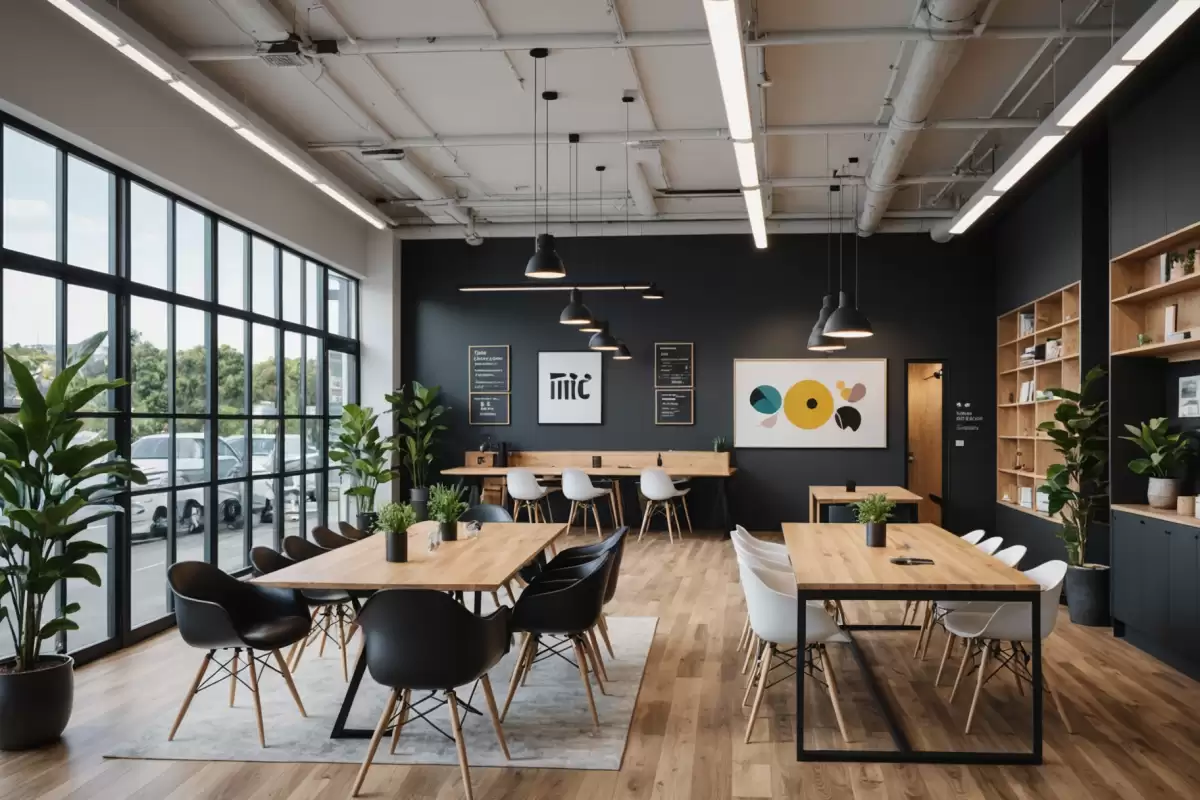
Imagine walking into an office that feels more like a creative hub than a traditional workspace. The air is buzzing with ideas, and you’re surrounded by people from different industries, all working towards their own goals. This isn’t a scene from a futuristic movie; it’s the reality of many co-working spaces today. These spaces are designed to break down the walls of isolation and encourage the cross-pollination of ideas. Ever tried working in such an environment? It’s a game-changer!

One of the most exciting developments in the workspace revolution is the rise of hybrid models. These are spaces that blend the best of both worlds: the structure of a traditional office and the flexibility of remote work. Hybrid workspaces allow employees to choose where and how they work, depending on their tasks and personal preferences. This flexibility not only boosts productivity but also enhances job satisfaction. After all, who doesn’t want the option to work in their pyjamas one day and a sleek office the next?

But it’s not just about where you work; it’s also about how you work. Technology is playing a crucial role in reshaping workspaces. From virtual reality meeting rooms to AI-driven productivity tools, the office of the future is a tech-savvy playground. These innovations are not just gimmicks—they’re tools that can streamline workflows and foster collaboration. And let’s be honest, who wouldn’t want to attend a meeting from the comfort of a virtual beach?

Now, speaking of innovative workspaces, have you heard about The Crate in Auckland? It’s a prime example of how co-working spaces are transforming the way we work. The Crate offers a flexible, community-driven environment that’s perfect for entrepreneurs and professionals looking to escape the monotony of traditional offices. Curious about how co-working can change your work life? Check out their insightful article on the advantages of co-working in Auckland here. It’s packed with practical insights and could be just what you need to shake up your work routine.

Another aspect to consider is the environmental impact of our workspaces. As businesses become more conscious of their carbon footprint, sustainable office designs are gaining traction. Think energy-efficient buildings, green rooftops, and interiors made from recycled materials. These eco-friendly spaces not only reduce environmental impact but also create a healthier work environment. Who knew saving the planet could start with your office desk?

Of course, no discussion about the future of workspaces would be complete without mentioning the importance of work-life balance. In our quest for productivity, it’s easy to forget the human element. But as more companies recognise the value of employee well-being, workspaces are being designed with relaxation in mind. From meditation rooms to on-site gyms, the focus is shifting towards creating environments that support both mental and physical health.

In conclusion, the future of workspaces is bright and full of possibilities. Whether it’s through innovative co-working spaces like The Crate or the integration of cutting-edge technology, the way we work is evolving for the better. For those interested in diving deeper into the world of flexible workspaces, I recommend exploring resources like WeWork’s insights on the future of workspaces. They offer a wealth of information on how to adapt to these changes and make the most of your work environment. After all, the future of work is not just about where you work, but how you thrive.