Navigating The New Work Era: Embracing Flexibility, Technology, And Innovation
In today’s business landscape, the concept of work is undergoing a seismic shift. Gone are the days when the nine-to-five grind in a cubicle was the only path to professional success. Now, the rise of remote work and flexible office solutions is reshaping how we approach our workdays. But what’s driving this transformation, and how can business owners harness these changes for growth and innovation?
Let’s start with the rise of remote work. The global pandemic accelerated a trend that was already gaining momentum: working from home. For many, this shift was a revelation. It offered a chance to escape the daily commute, reclaim personal time, and find new ways to balance work and life. But, as with all things, there’s a flip side. The isolation of remote work can be daunting, and maintaining productivity without the structure of an office can be challenging. So, how do you strike the right balance?
Enter hybrid work models—a blend of remote and in-office work that offers the best of both worlds. With hybrid models, businesses can provide employees with the flexibility they crave while maintaining the collaborative spirit that fuels innovation. It’s a win-win, right? Well, not always. The key to a successful hybrid model lies in its execution. It requires clear communication, robust technology, and a culture that values both independence and teamwork. Ever tried managing a team spread across different time zones? It’s a game-changer!
Now, let’s talk about the role of technology in this new work environment. Cloud-based solutions, video conferencing tools, and project management software have become the backbone of modern businesses. They enable seamless communication and collaboration, no matter where your team is located. But technology is only part of the equation. The human element—building a culture of trust and accountability—is equally crucial. After all, even the best tools are only as effective as the people using them.
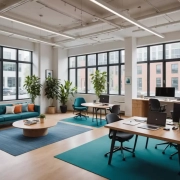
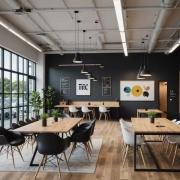
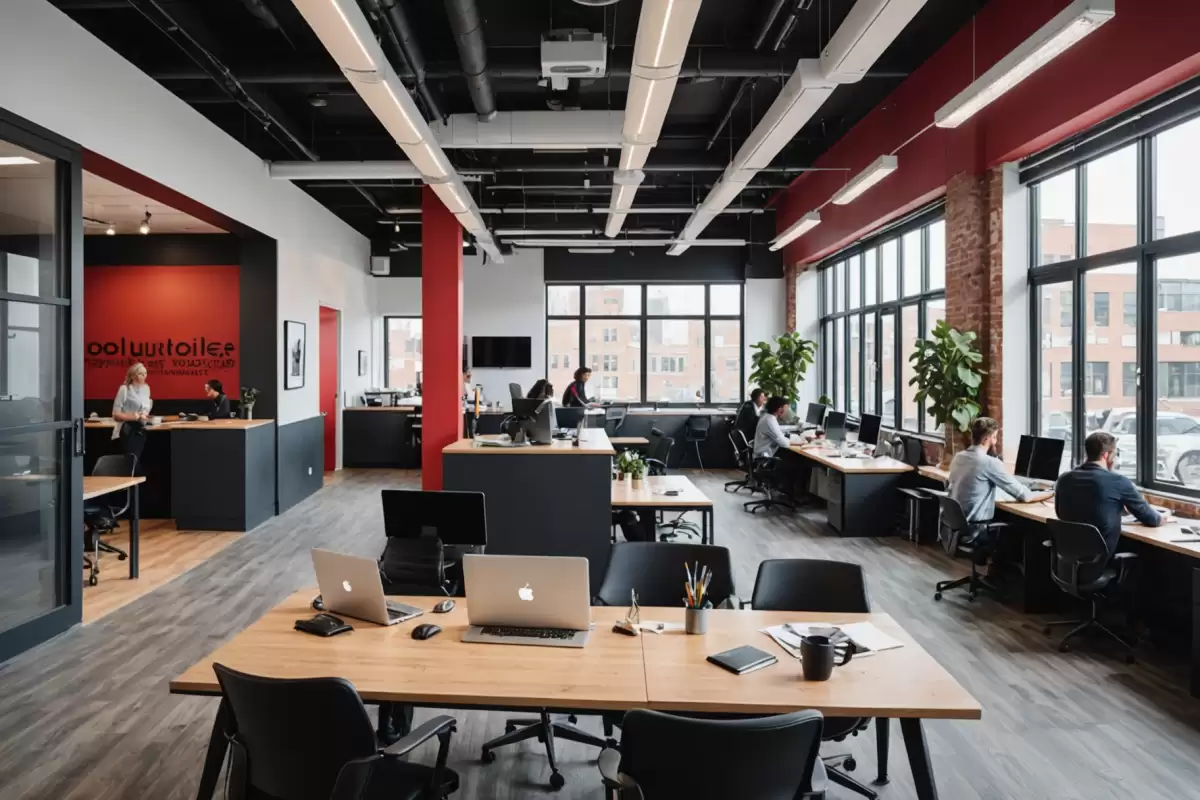
Speaking of effective tools, have you considered the potential of co-working spaces? These flexible work environments offer a unique blend of community, creativity, and cost-effectiveness. In Auckland, for instance, co-working spaces like The Crate are transforming the way professionals work. They provide a vibrant atmosphere where you can connect with like-minded individuals, escape the isolation of home offices, and focus on growing your business. Curious to learn more? Check out The Crate’s article on the advantages of co-working in Auckland. It’s packed with insights that could just be the inspiration you need.
But let’s not stop there. The future of work is not just about where we work, but how we work. It’s about fostering an environment that encourages innovation and creativity. This means rethinking traditional hierarchies and empowering employees to take ownership of their projects. It’s about creating a culture where ideas can flourish and where failure is seen as a stepping stone to success. Sounds idealistic? Perhaps. But it’s a vision that’s increasingly becoming a reality for forward-thinking businesses.
In conclusion, the evolving work landscape presents both challenges and opportunities for business owners. By embracing flexible work models, leveraging technology, and fostering a culture of innovation, you can position your business for success in this new era. And if you’re ready to explore more about the benefits of flexible workspaces, don’t miss out on The Crate’s insights. For additional resources on hybrid work models and their impact, you might also want to visit The World Economic Forum’s article on hybrid work models. It’s a treasure trove of information that can help you navigate the future of work with confidence.