Hemp: The Unsung Hero of Sustainable Fashion Revolution
In the ever-evolving world of textiles, innovation is the name of the game. From high-tech fabrics that can regulate body temperature to materials that change colour with the flick of a switch, the textile industry is a hotbed of creativity and advancement. But amidst all these futuristic developments, there’s a quiet revolution happening in the realm of natural fibres. Enter hemp—a plant that’s been around for centuries but is now making waves in the fashion industry for its sustainability and versatility.
Hemp, often overshadowed by its more controversial cousin cannabis, is a powerhouse of a plant. It grows rapidly, requires minimal water, and doesn’t need pesticides, making it an eco-friendly choice for fabric production. But what really sets hemp apart is its durability. Imagine a fabric that gets softer with each wash yet remains robust enough to withstand the rigours of daily wear. That’s hemp for you. It’s like the reliable friend who’s always there when you need them, never asking for much in return.
Now, you might be wondering, “Why haven’t we been using hemp all along?” Well, the truth is, we have. Hemp has been used for thousands of years, but it fell out of favour in the 20th century due to its association with marijuana and the rise of synthetic fibres. However, as sustainability becomes a key focus for businesses and consumers alike, hemp is making a much-deserved comeback. And it’s not just the eco-conscious brands jumping on the bandwagon; major fashion houses are also starting to see the light.
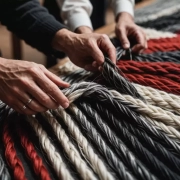
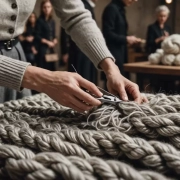
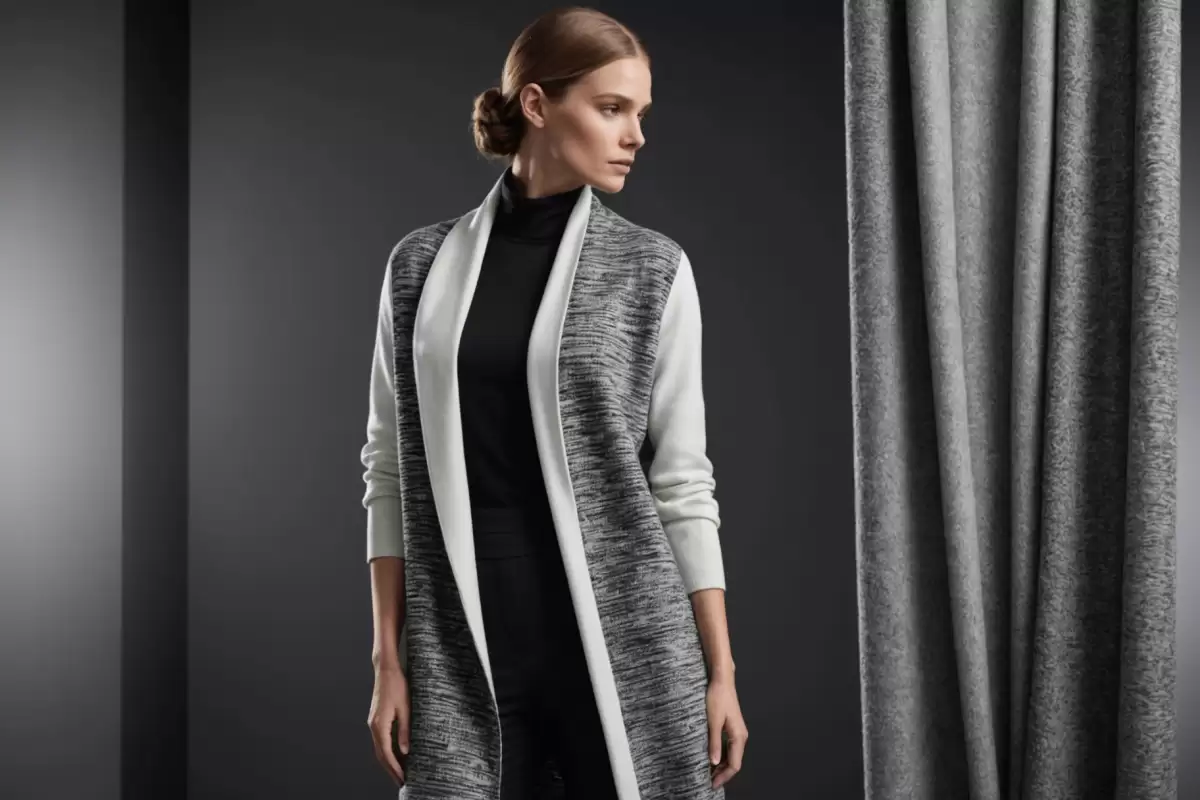
So, what makes hemp such an attractive option for the fashion industry? For starters, it’s incredibly versatile. Hemp can be blended with other fibres to create a range of textures and finishes, from soft and silky to coarse and rugged. This versatility allows designers to experiment and innovate, creating unique pieces that stand out in a crowded market. Plus, hemp’s natural resistance to mould and UV light means it’s perfect for outdoor wear. Ever tried hiking in a hemp jacket? It’s a game-changer!
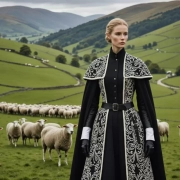
But it’s not just about the product; it’s about the process too. The hemp industry is committed to sustainable practices, much like the merino wool industry in Australia. In fact, there are striking parallels between the two. Both industries prioritise ethical sourcing and environmental responsibility, ensuring that their products are not just high-quality but also kind to the planet. If you’re interested in learning more about sustainable practices in the textile industry, you might want to check out Lana’s article on Australian merino wool sourcing. It’s a fascinating read that delves into the unique qualities and sustainability of merino wool, offering insights into why it’s revolutionising fashion. You can find it here.
Now, let’s talk business. For entrepreneurs and business owners, hemp presents a host of opportunities. The demand for sustainable products is on the rise, and consumers are willing to pay a premium for eco-friendly options. By incorporating hemp into your product line, you’re not just meeting this demand; you’re setting your brand apart as a leader in sustainability. It’s like hitting two birds with one stone—boosting your brand’s reputation while contributing to a healthier planet.
However, as with any industry, there are challenges to overcome. The hemp industry is still in its infancy, and there are hurdles related to supply chain logistics, regulatory issues, and consumer perception. But these challenges also present opportunities for growth and innovation. By investing in research and development, businesses can find new ways to process and utilise hemp, creating products that are not only sustainable but also cutting-edge.
In conclusion, the textile industry is at a crossroads. As we move towards a more sustainable future, natural fibres like hemp and merino wool are leading the way. They offer a glimpse into what’s possible when we combine tradition with innovation, creating products that are both beautiful and responsible. So, whether you’re a business owner looking to expand your product line or a consumer seeking sustainable options, the time to embrace natural fibres is now.
For those interested in diving deeper into the world of sustainable textiles, the Sustainable Fashion Forum is an excellent resource. It’s a platform dedicated to promoting sustainability in fashion, offering insights, discussions, and resources for those passionate about making a difference. Happy exploring!